CDB Advocates for Stronger Civil Society Partnerships to Unlock Opportunities in Caribbean Small States
The Caribbean Development Bank (CDB, the Bank) has called for civil society organisations to be recognised as essential partners in transforming Caribbean small states, strengthening institutions and delivering solutions that respond directly to community needs.
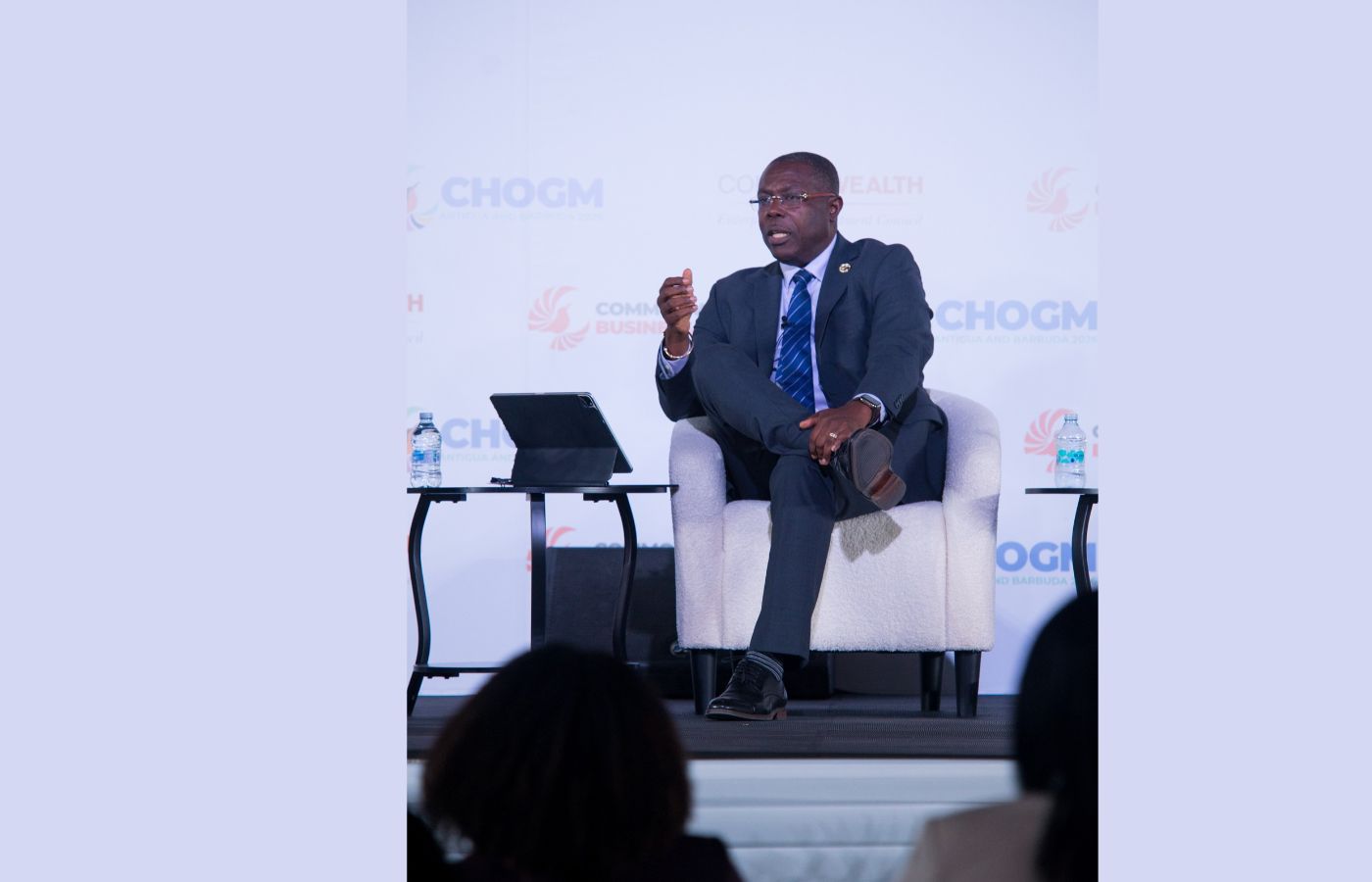
Addressing the audience at the opening ceremony of the Commonwealth People’s Forum, part of the 2026 Commonwealth Heads of Government Meeting (CHOGM), CDB’s Vice-President (Operations), Dr Isaac Solomon, underscored civil society’s role in reaching people at risk of exclusion and turning regional development ambitions into measurable improvements in people’s lives.
“Development is not simply about what we deliver to people. It is about what we achieve with people,” the Vice-President (Operations) said. “Civil society organisations bring the community knowledge, trusted relationships and practical experience needed to ensure that development interventions are inclusive, effective and sustainable.”
At CHOGM, the Bank is showing how partnerships can connect advocacy with financing, stronger institutions and practical delivery. CDB’s Strategic Plan 2026 - 2035 names Investing in Youth, Strengthening Institutions and Accelerating Climate Action as its three overarching priorities, which require closer collaboration among governments, development institutions, civil society, communities and the private sector.
In 2025, the Bank launched the Caribbean’s first accredited online course in Community Engagement, including a module on engagement with Indigenous and Tribal Peoples. In 2026, with the Government of Canada and the Caribbean Disaster Emergency Management Agency, it introduced an online course in Proposal Writing that drew more than 5,000 registrants from 102 countries in its first three months, signalling strong demand among community leaders for practical tools. Both courses are free, self-paced and accredited by the University of Wolverhampton, and are expected to be accessible through the CDB Academy, planned for launch in December 2026.
CDB is also developing a Civil Society Organisation Engagement and Partnership Strategy, expected in 2027, to provide a more systematic and inclusive framework for dialogue, capacity building and partnerships, and for civil society participation in designing, implementing and monitoring development interventions across its Borrowing Member Countries.
According to Dr Solomon,“Our ambition is clear, to move beyond consulting civil society towards recognising civil society as an essential development partner. When we invest in civil society, we invest in stronger institutions, more resilient communities and a future in which no one is left behind.”
The Bank’s engagement at the Forum reinforces its message that inclusion is integral to economic transformation. By expanding skills and strengthening organisations, CDB is helping youth, women, persons with disabilities and community organisations contribute more fully to productivity, resilience and shared prosperity.
CDB will continue working with the Commonwealth Foundation, governments, civil society organisations and development partners to turn dialogue into practical partnerships and measurable results for Caribbean communities.