CDB and CCREEE Launch Regional Programme to Accelerate the Caribbean’s Clean Energy Future
BRIDGETOWN, Barbados: The Caribbean Development Bank (CDB) and the Caribbean Centre for Renewable Energy and Energy Efficiency (CCREEE) have launched the Accelerated Sustainable Energy and Resilience Transition 2030 (ASERT 2030) Regional Capacity Strengthening Asertive (RCSA) Programme. The transformative initiative aims to accelerate the Caribbean’s clean energy transition and develop a stronger pipeline of investment-ready renewable energy projects.
Valued at approximately US$5.29 million, the ASERT 2030 Programme combines financing and technical support to help countries overcome longstanding barriers to renewable energy deployment and climate-resilient energy investments across the region. It is funded through US$4.4 million from CDB’s Special Resources Fund, with contributions from the Governments of Canada and the United Kingdom, and the European Union, alongside US$893,397 from CCREEE.
“CDB is proud to partner with CCREEE on this pivotal initiative for the Caribbean’s energy future. Through ASERT 2030, we are strengthening the capacity, planning frameworks and regional collaboration needed to translate renewable energy ambitions into resilient, investment-ready projects that deliver lasting development impact,” said Mr. L. O’Reilly Lewis, Director of Projects, CDB.
“The Caribbean's sustainable future cannot be built through fragmented projects. The ASERT Framework transforms isolated interventions into a coordinated, investment-driven programme that strengthens institutions, builds capacity, mobilises finance, and accelerates the transition to resilient, low-carbon energy systems across the Region,” said Dr. Mohammad Rafik Nagdee, Executive Director, CCREEE.
The ASERT 2030 RCSA Programme comes at a critical moment. According to CDB estimates, renewable energy accounts for only about 12% of the Caribbean energy mix despite abundant renewable energy resources. Countries across the region continue to face high energy costs, dependence on imported fossil fuels and growing climate-related risks.
Through the initiative, CDB and CCREEE will work with governments, utilities, regulators and other stakeholders to strengthen energy information and decision-support systems, advance integrated resource and resilience planning, expand opportunities for women in the energy sector, and foster regional dialogue and collaboration.
"Canada is proud to work with Caribbean partners to advance the clean energy transition and build greater resilience to climate change," said Her Excellency Brenda Wills, High Commissioner of Canada to Barbados and the Eastern Caribbean. "Our support for SuRGE and ASERT 2030, including $200,000 for the Women in Renewable Energy (WiRE) Programme, will help to strengthen women’s participation and leadership in the region's energy sector. By strengthening institutions, planning systems, and the next generation of energy leaders more broadly, ASERT 2030 will help countries turn ambition into action and accelerate a sustainable energy future.”
Over the next 30 months, CCREEE will lead implementation of priority activities, drawing on its expertise in capacity development, energy data management and sustainable energy planning, while leveraging regional platforms such as the CARICOM Energy Knowledge Hub, Energy Report Cards, and the Women in Renewable Energy (WIRE) Network. A key focus is ensuring an inclusive energy transition through mentorship, leadership development and knowledge-sharing opportunities that support greater participation of women in technical and leadership roles across the clean energy sector.
“Delivering the Caribbean's energy transition depends on more than infrastructure, it requires strengthened capacity of institutions and people. This Programme will build that capacity while supporting an inclusive energy transition, including greater opportunities for women. The UK is pleased to support as part of our wider regional commitment to clean and resilient energy,” said Mr. Alexander Gozney, Head of Climate and Environment, Caribbean, British High Commission.
The Programme forms part of CDB’s ASERT 2030 Framework, which was developed to support bold, coordinated action to increase the scale and speed of sustainable energy investments throughout the Bank’s Borrowing Member Countries (BMCs). By addressing critical human, institutional and knowledge gaps, the initiative seeks to create the conditions for countries to attract investment, strengthen energy security and achieve their climate targets and Sustainable Development Goals.
By strengthening capacity, improving access to data and planning tools, and fostering collaboration across borders, the ASERT 2030 RCSA Programme aims to help Caribbean countries move from ambition to action—creating more resilient energy systems, unlocking sustainable investment opportunities and advancing a cleaner, more secure future for the region.
###
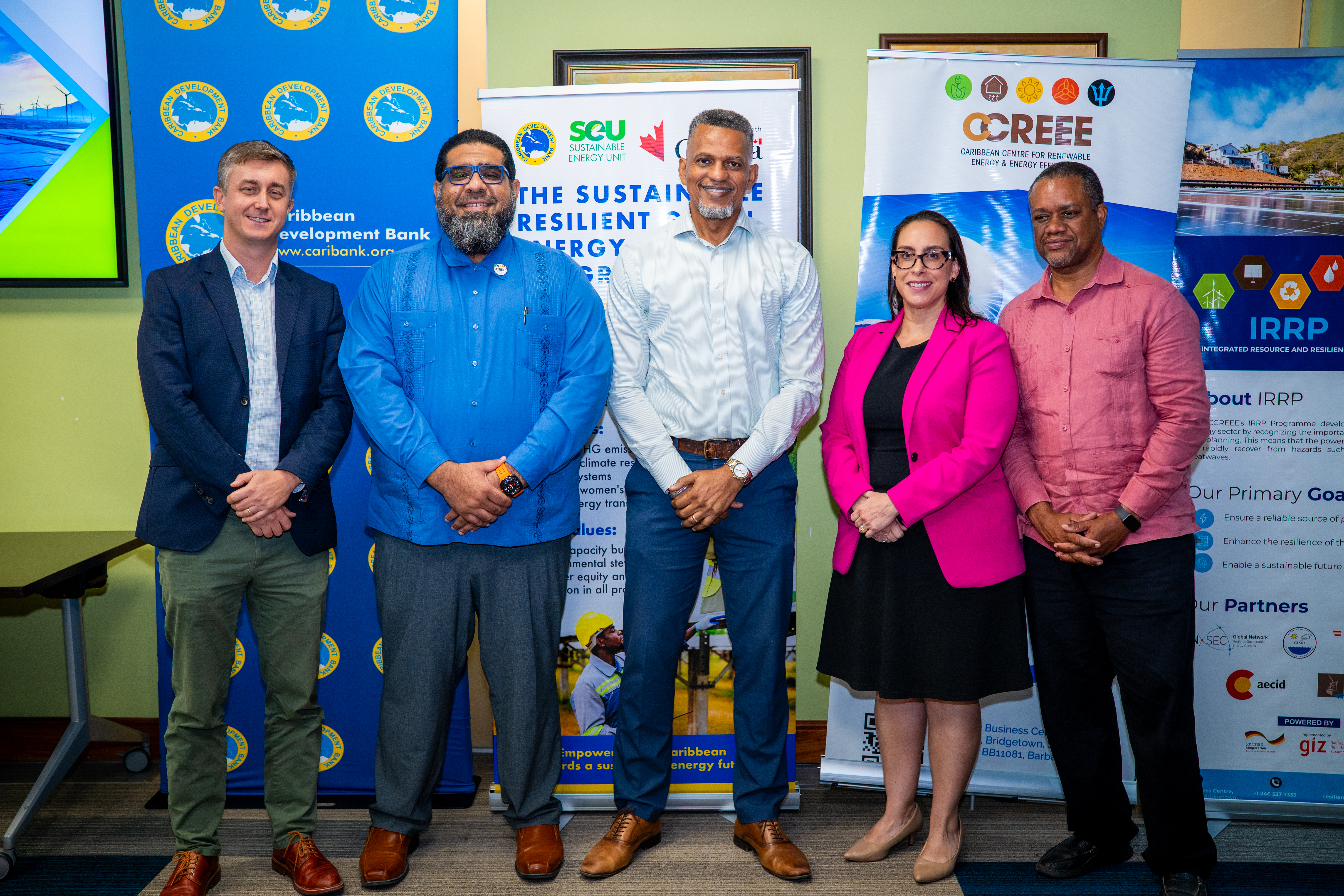
Photo caption - L-R: Mr. Alexander Gozney, Head of Climate and Environment, Caribbean, British High Commission; Dr. Mohammad Rafik Nagdee, Executive Director, Caribbean Centre for Renewable Energy and Energy Efficiency; Mr. Daniel Best, President, Caribbean Development Bank; Her Excellency Brenda Wills, High Commissioner for Canada to Barbados and the Eastern Caribbean; and Mr. L. O’Reilly Lewis, Director of Projects, Caribbean Development Bank, attend the launch of Accelerated Sustainable Energy and Resilience Transition 2030 (ASERT 2030) Regional Capacity Strengthening Asertive (RCSA) Programme.
Photo credit - Caribbean Centre for Renewable Energy and Energy Efficiency