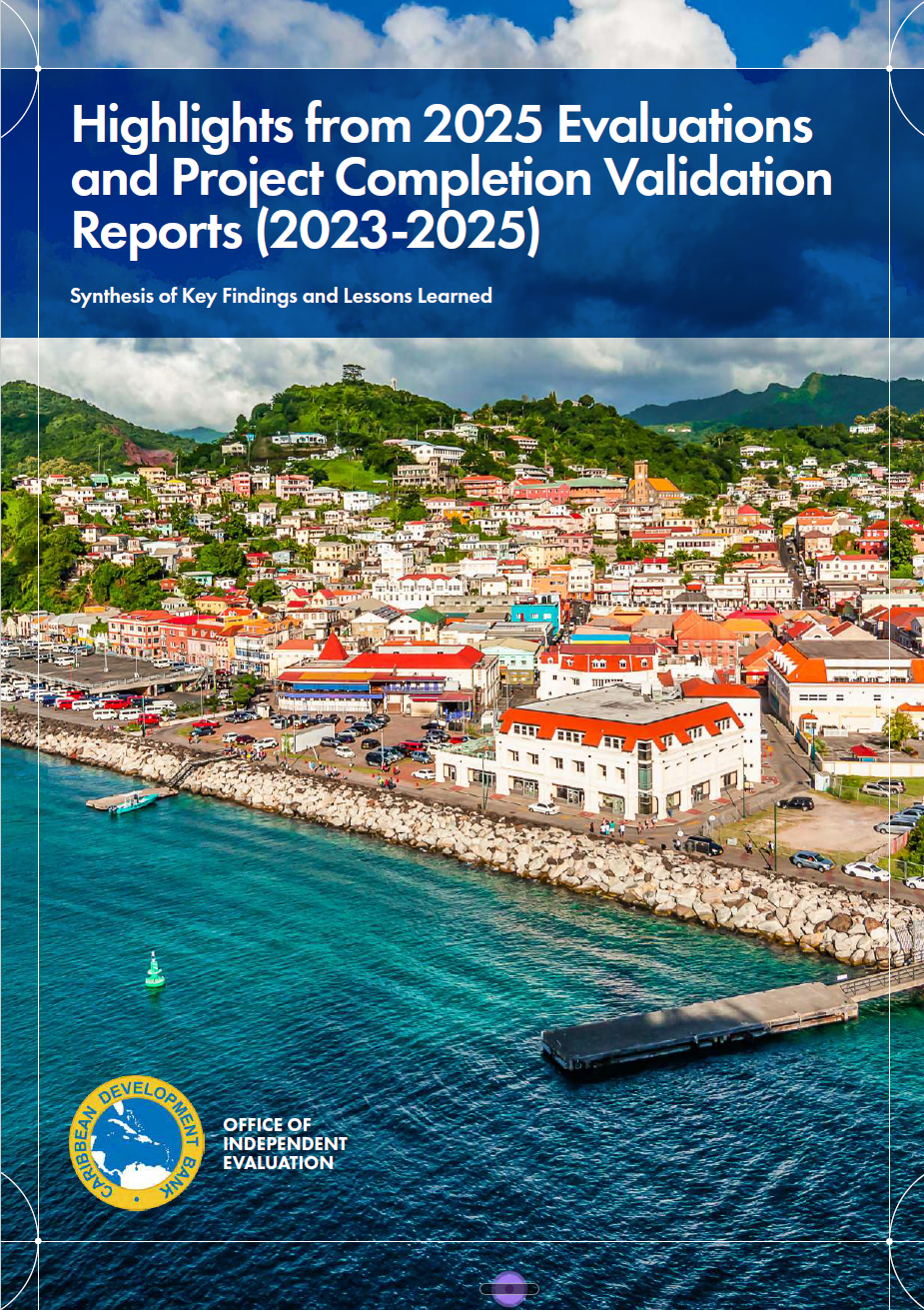
This document presents a synthesis of the main findings and lessons learned from evaluations completed in 2025 and published in early 2026, as well as from Project Completion Validation Reviews (PCVRs) conducted between 2023 and 2025. Together, these sources provide a consolidated view of the evidence emerging from the Caribbean Development Bank's recent evaluation portfolio.The evaluations and PCVRs offer important insights into what is working well, where challenges persist, and what lessons can be drawn to strengthen future programming. They provide evidence for the Bank, its Borrowing Member Countries (BMCs), and the Board of Directors to inform decision-making, enhance development effectiveness, and strengthen the design and implementation of future interventions.
Our Mission
The Office of Independent Evaluation (OIE) provides independent, credible assessments of CDB's policies, strategies, programmes, and projects. Our work generates evidence that strengthens accountability, supports learning, and improves development outcomes across the Caribbean.
"Evaluation is how we turn evidence into better decisions - for CDB, for our partners, and for the communities we serve."
Operating independently from CDB Management and reporting directly to the Board of Directors, OIE upholds the highest standards of rigour, impartiality, and transparency. Our findings are publicly disclosed and designed to be used, not just filed away.
WHAT WE DO
Fostering Learning
We turn evaluation findings into actionable lessons — shared across CDB, Borrowing Member Countries, and the broader development community to inform better practice.
Supporting Decisions
Our evidence feeds directly into CDB's planning and strategy, helping decision-makers invest resources where they matter most.
Promoting Accountability
We provide the Board of Directors, Borrow Member Countries, and other stakeholders with an honest picture of what's working, what isn't, and what needs to change.
Latest Evaluations and Resources
Financial Services
The Caribbean Development Bank (CDB) has extensively made use of Policy-Based Lending (PBL) as a strategic instrument to support macro-fiscal stability, institutional reform, and resilience-building across its Borrowing Member Countries (BMCs).
Quick Links
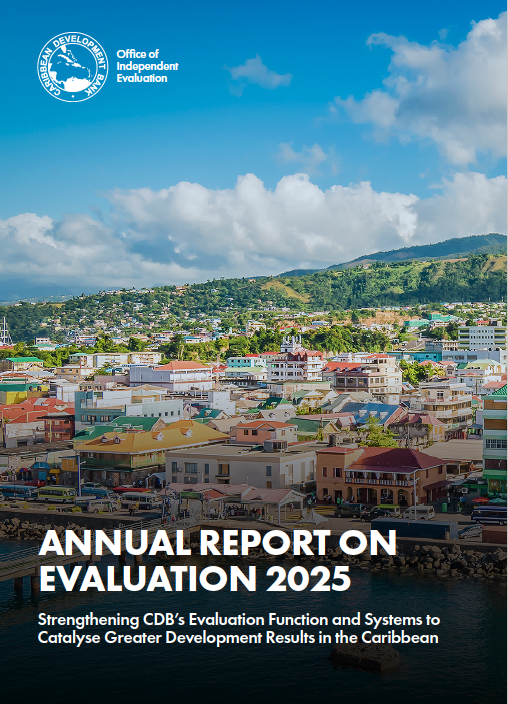
OIE's 2025 in review: transitions, achievements, and the road ahead.
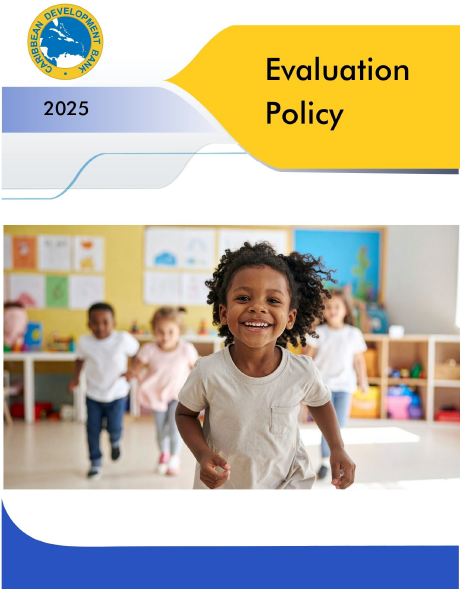
The Evaluation Policy of the CDB sets out the principles that guide a strong, independent evaluation function.
Read here our latest news and get information on OIE events.