Financing a Greener Future in Belize
Harnessing solar power. Expanding markets. Growing a more sustainable future.
Four years ago, in a self-sufficient Mennonite farming community in Belize's Orange Walk District, 15 people worked on Green Hills Cattle Ranch.
Today, the ranch directly employs 53 people.
The difference between those two numbers is development finance – reaching the right person at the right time.
Green Hills Ranch owner Johan Wall had been ranching in Shipyard for years and had seen the opportunity. Prices for Belizean cattle exports to Guatemala were low due to prices being undercut on informal markets. Whereas he knew if he could break into the formal market in Mexico, the demand for Belizean cattle was strong, and he could fetch better prices and grow his business. What stood between him and that market, however, was capital and infrastructure.
“Before, when there was no help, we never could have raised the prices. The price would always fall, and the cattle ranchers were discouraged because there was no opportunity to grow,” says Wall.





Geographic Scope


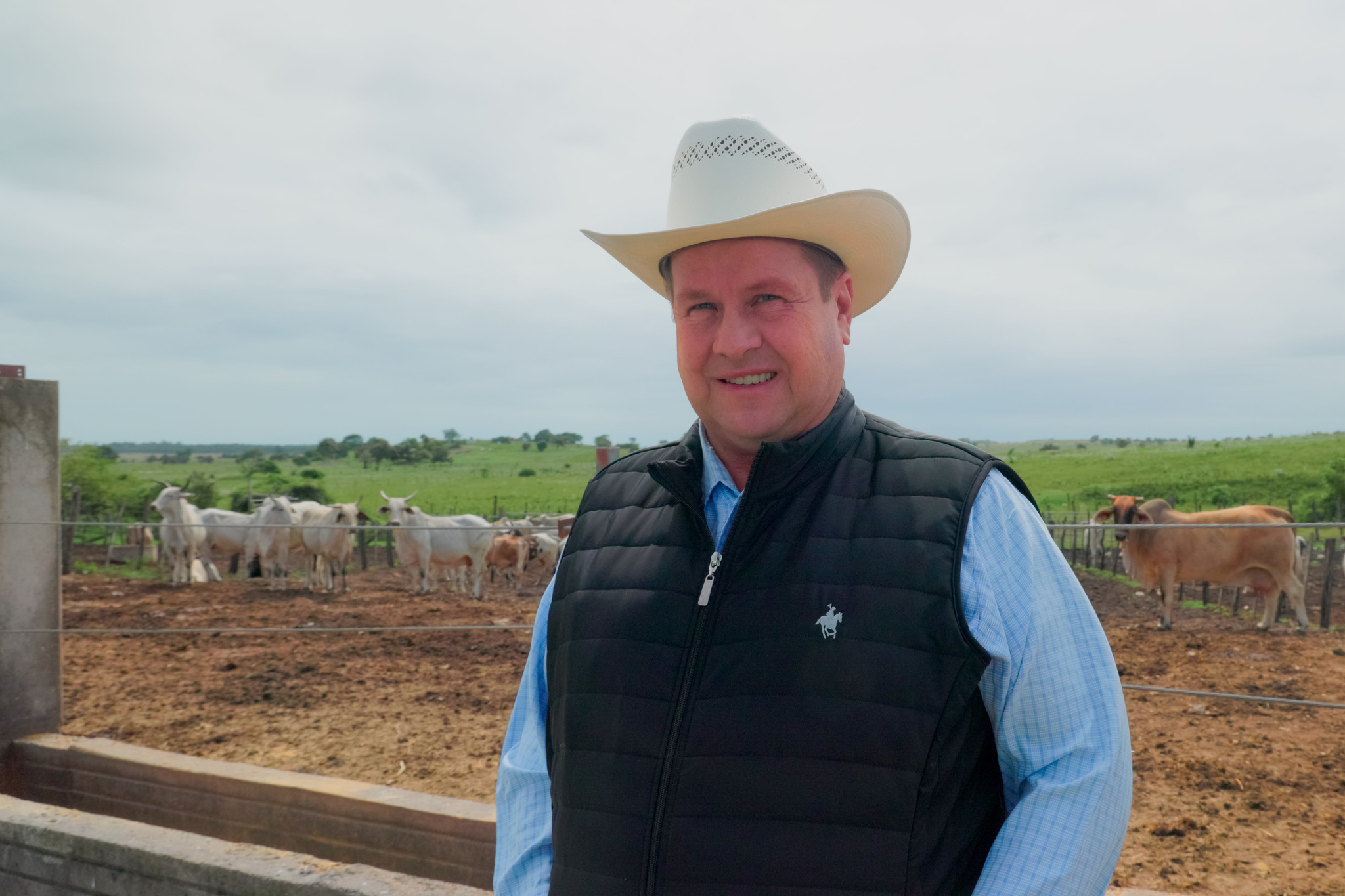
Thanks to financing from DFC, Johan Wall, owner of Green Hills Ranch in Shipyard, Belize, was able to expand operations and meet cattle export requirements for Mexico.
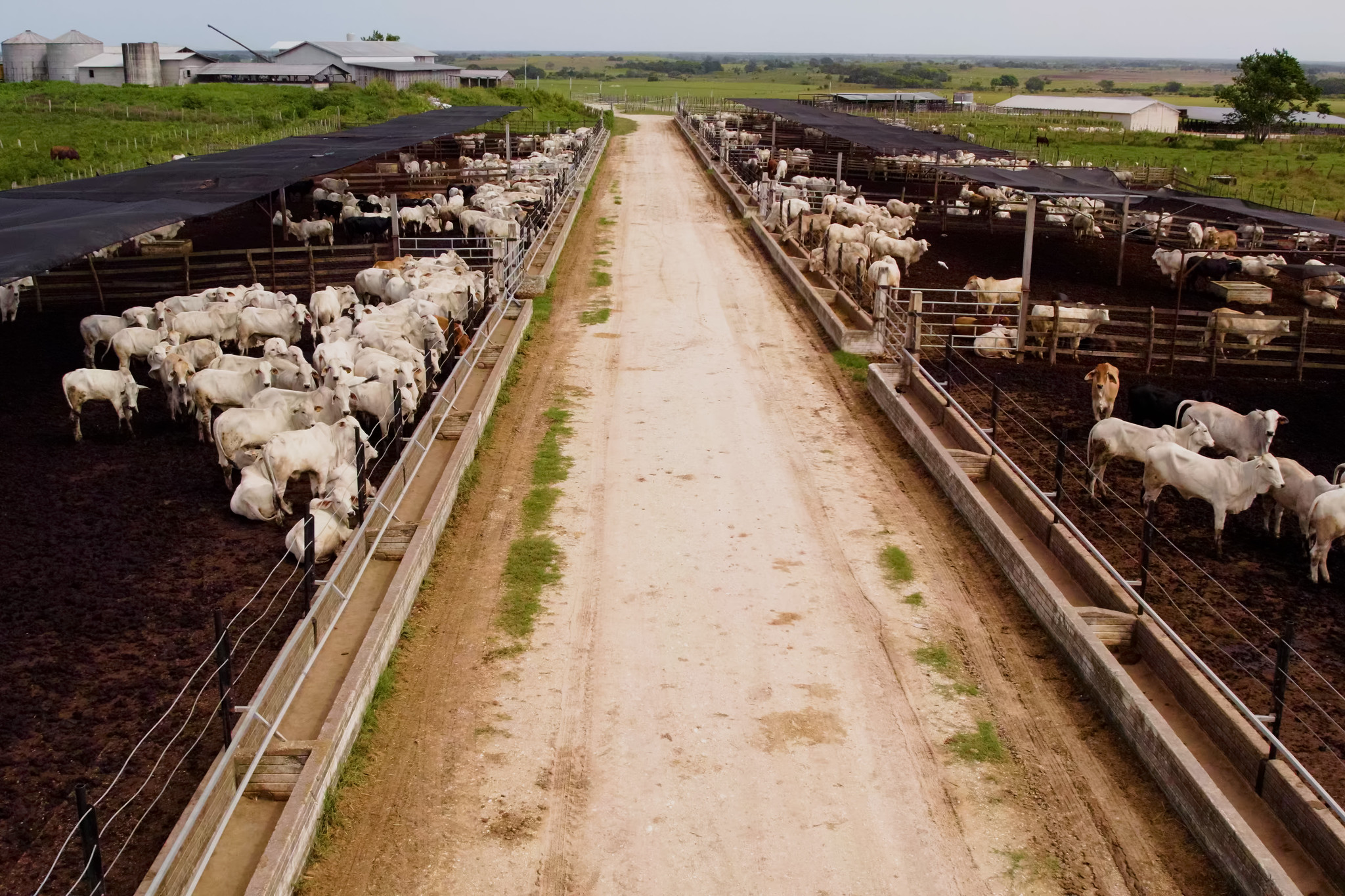
Today, the price for cattle has tripled in Belize now that Green Hills Ranch has access to formal export markets in Mexico.
Seeking Green Solutions
The challenges facing Green Hills Ranch were interconnected. Belize had a surplus of cattle but no formal export infrastructure. The farm ran on a diesel generator that could only power operations at night, making it impossible to maintain the refrigeration and computer systems needed to meet international export requirements around the clock. Wall needed working capital to purchase animals at the scale Mexico required. And he needed a certified export corral built to the standards of SENASICA, Mexico's national agrifood health authority.
In addition, finance was hard to secure because the land in Shipyard is communal, traditional Mennonite tenure.
“Because of the traditional way that properties are owned in Shipyard, the company did not have readily available assets or collateral to provide.”
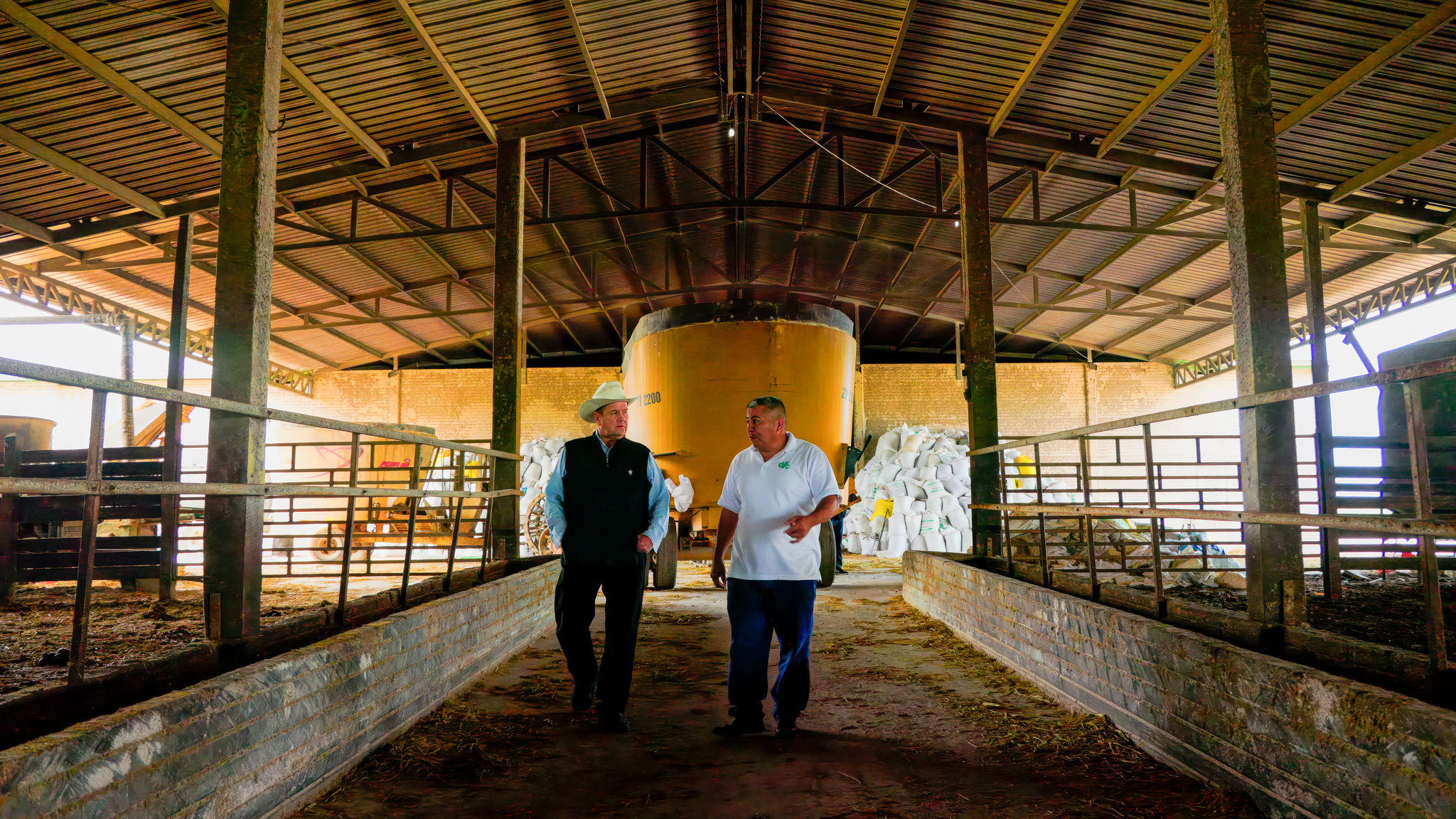
Johan Wall, the owner of Green Hills Ranch (left), strolling through the corral with Edgar Palencia, Corporate Relations Officer at DFC.
Development Finance Unlocked
Belize’s Development Finance Corporation (DFC), which operates with support from the Caribbean Development Bank (CDB), was built for exactly this kind of client. When Wall approached the institution, it moved quickly, designing a financing package that matched repayments to the cash flows of the business, rather than imposing rigid commercial terms.
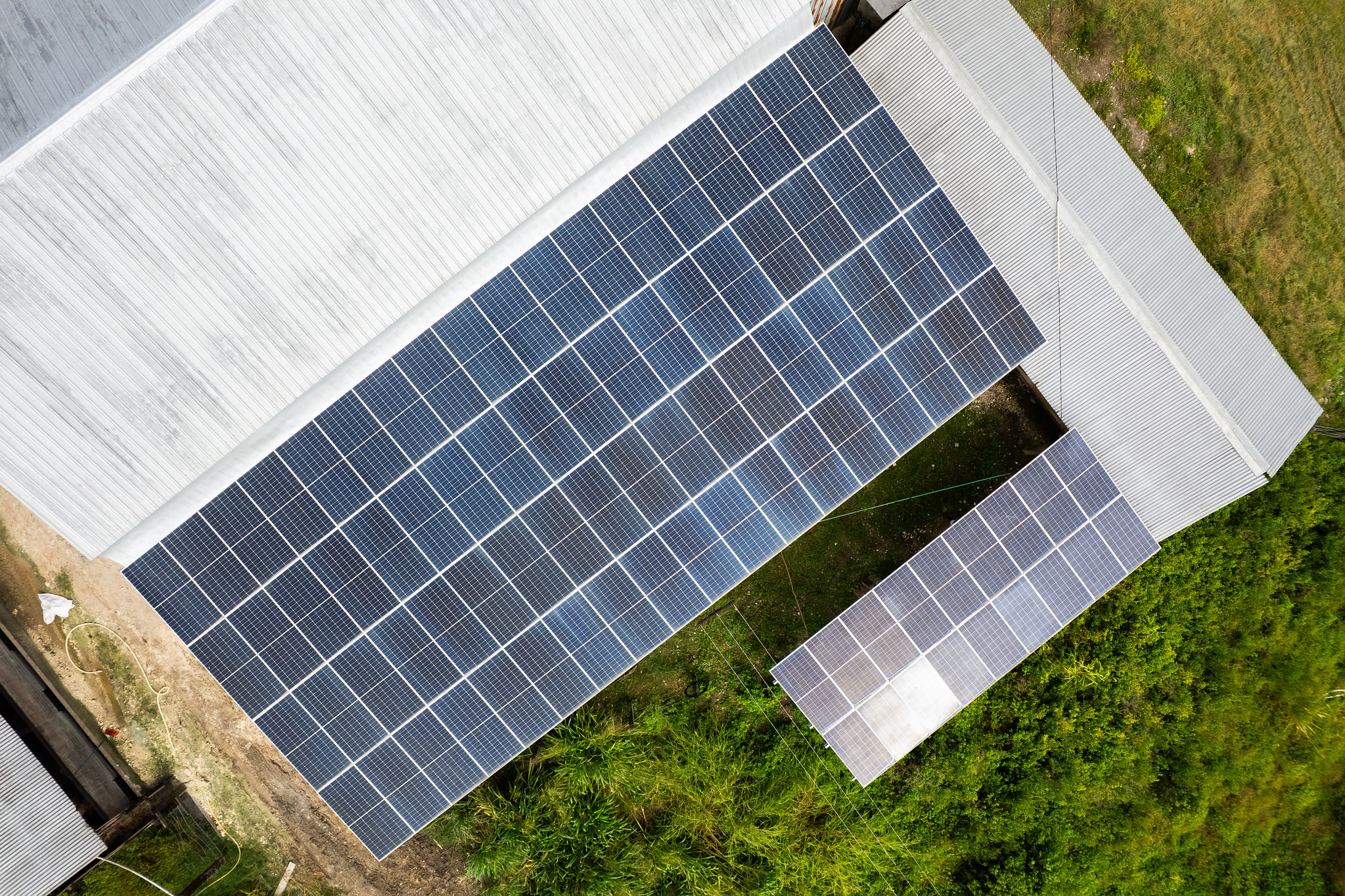
Today Green Hills Ranch in Shipyard, Belize, runs on 120 solar panels, 7 inverters and 24 batteries, providing 26 kilowatts of electrical power around the clock. Before receiving financing from DFC, backed by the Caribbean Development Bank, the ranch had 9 panels, producing just 3 kilowatts.
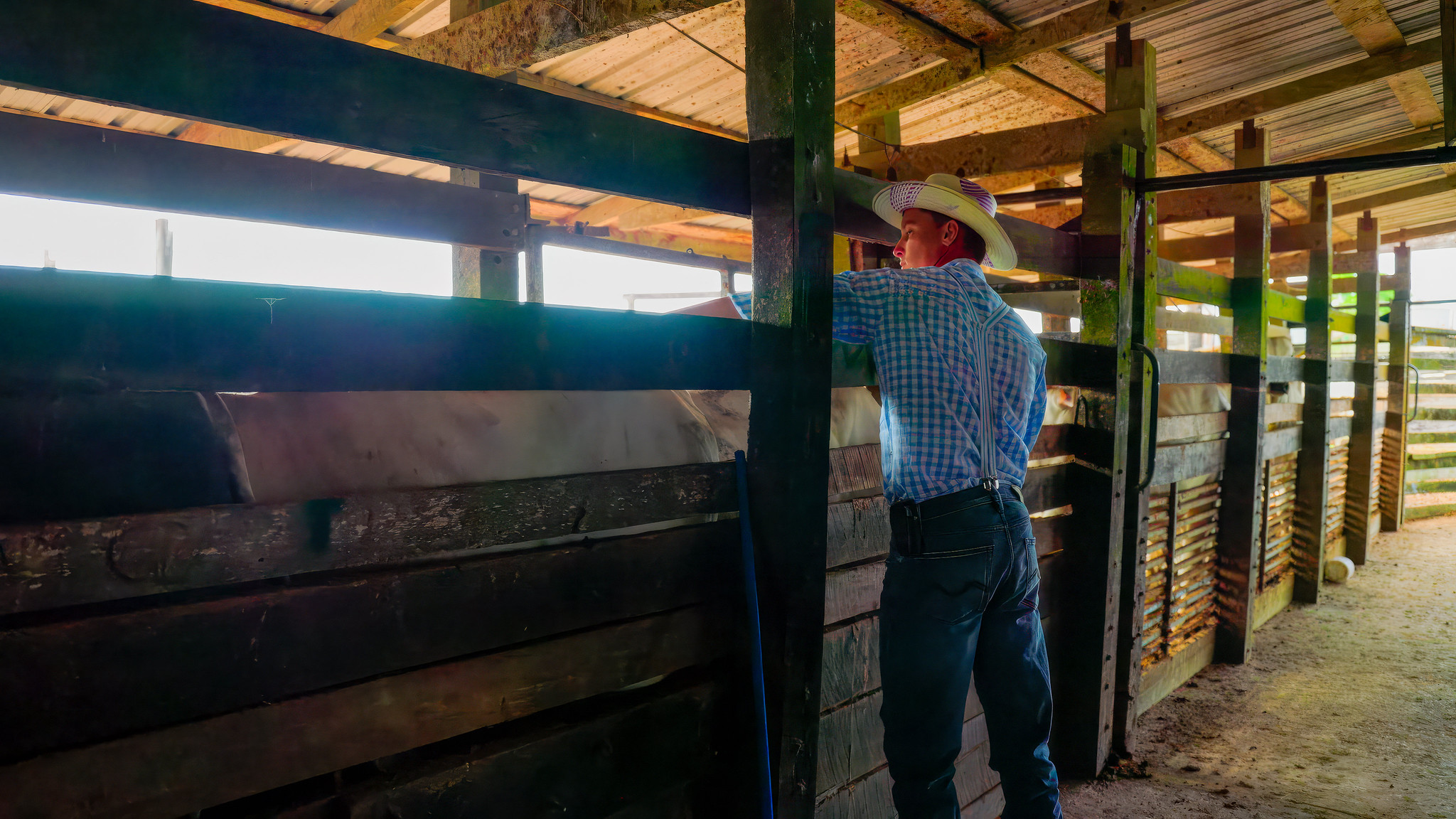
Johan Wall's son vaccinates cattle in the corral to meet with Mexico's export requirements.
“Mr. Wall was able to access this funding without many restrictions. It allowed the company to access financing in the million-dollar range to establish the export corral and have working capital to buy cattle from the cattle ranchers in the country.”

Sandra Perez, Chief Lending Officer at DFC, in her office in Belmopan, Belize.
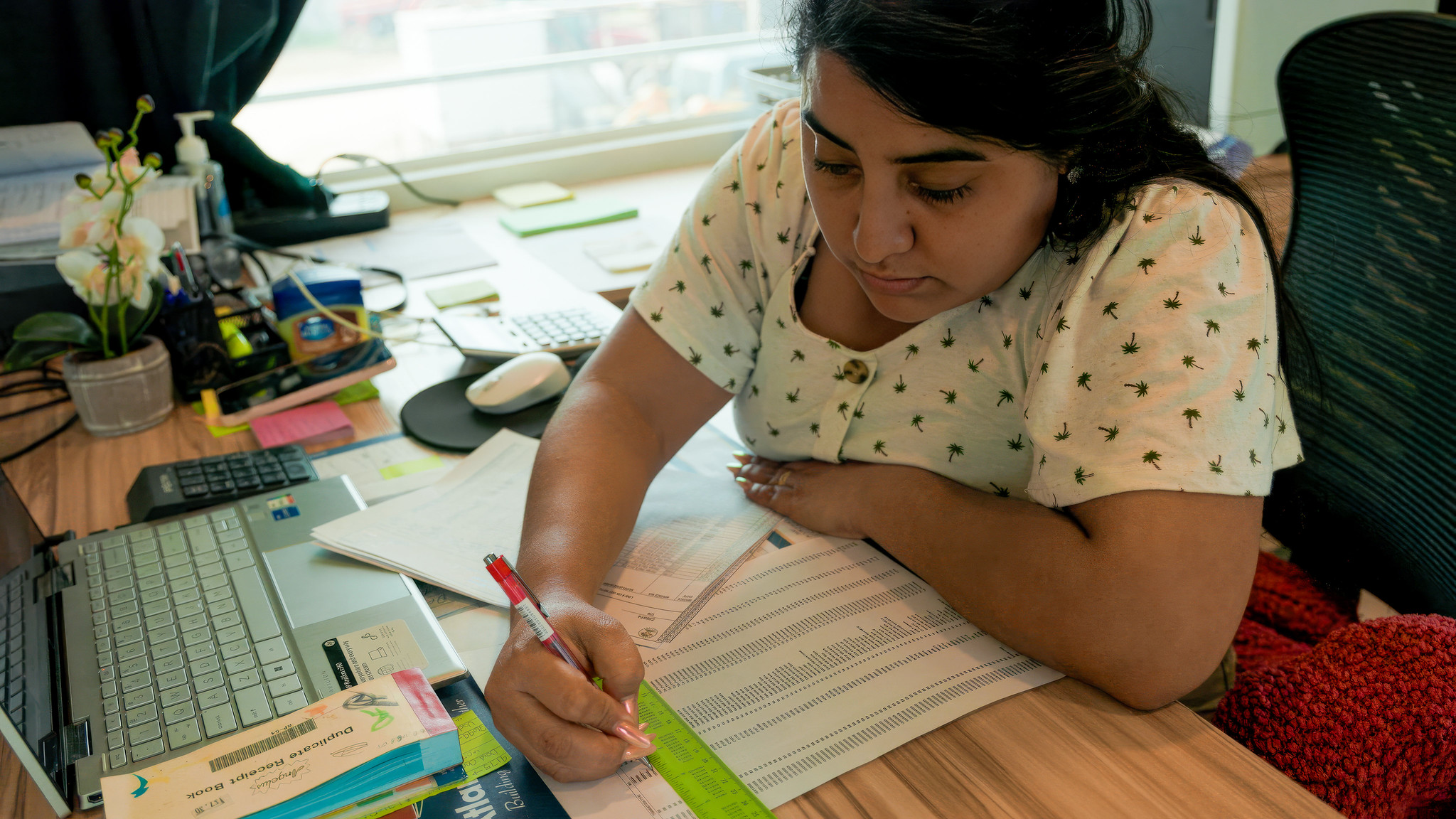
Rosalinda Gonzales is one of two women who now work in administration and finance in the Green Hills Ranch office.
The package covered construction of a certified export corral, tractors and trailers, working capital to purchase cattle from local farmers and, critically, a solar energy system to replace the diesel generator.
DFC's role in Belize's agricultural sector extends well beyond any single ranch. The institution has been working across the entire value chain, from large exporters to smallholder farmers.
"DFC was created to drive agriculture," says DFC CEO Henry Anderson. "Currently, while we may account for about 2 percent of the financial sector in Belize, we account for 14 to 15 percent of the agriculture investment, so we punch above our weight class."
“A lot of the funds that we have put into the productive sector over the years have come from the Caribbean Development Bank. It has provided DFC with the capital to do the job of the DFC over the years.”
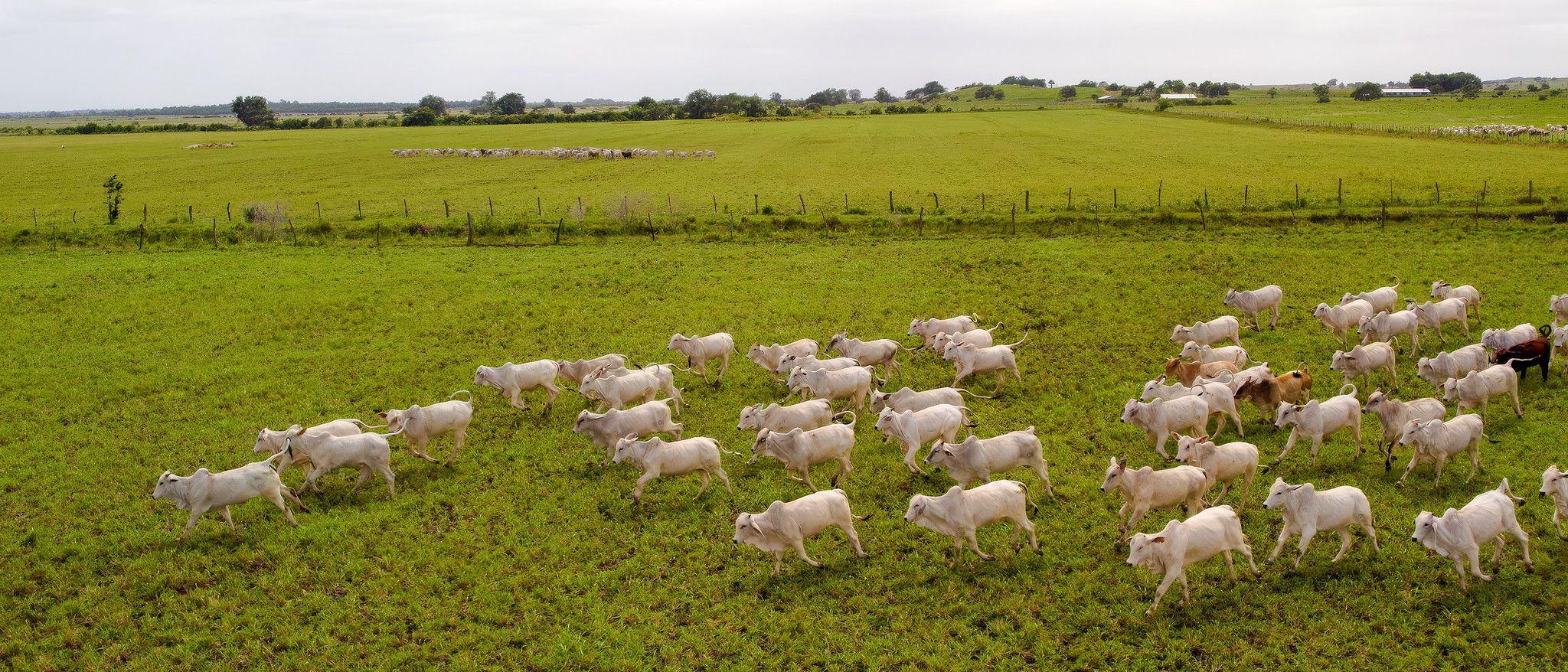
The growing cattle operation of Green Hills Ranch in Shipyard, Belize.
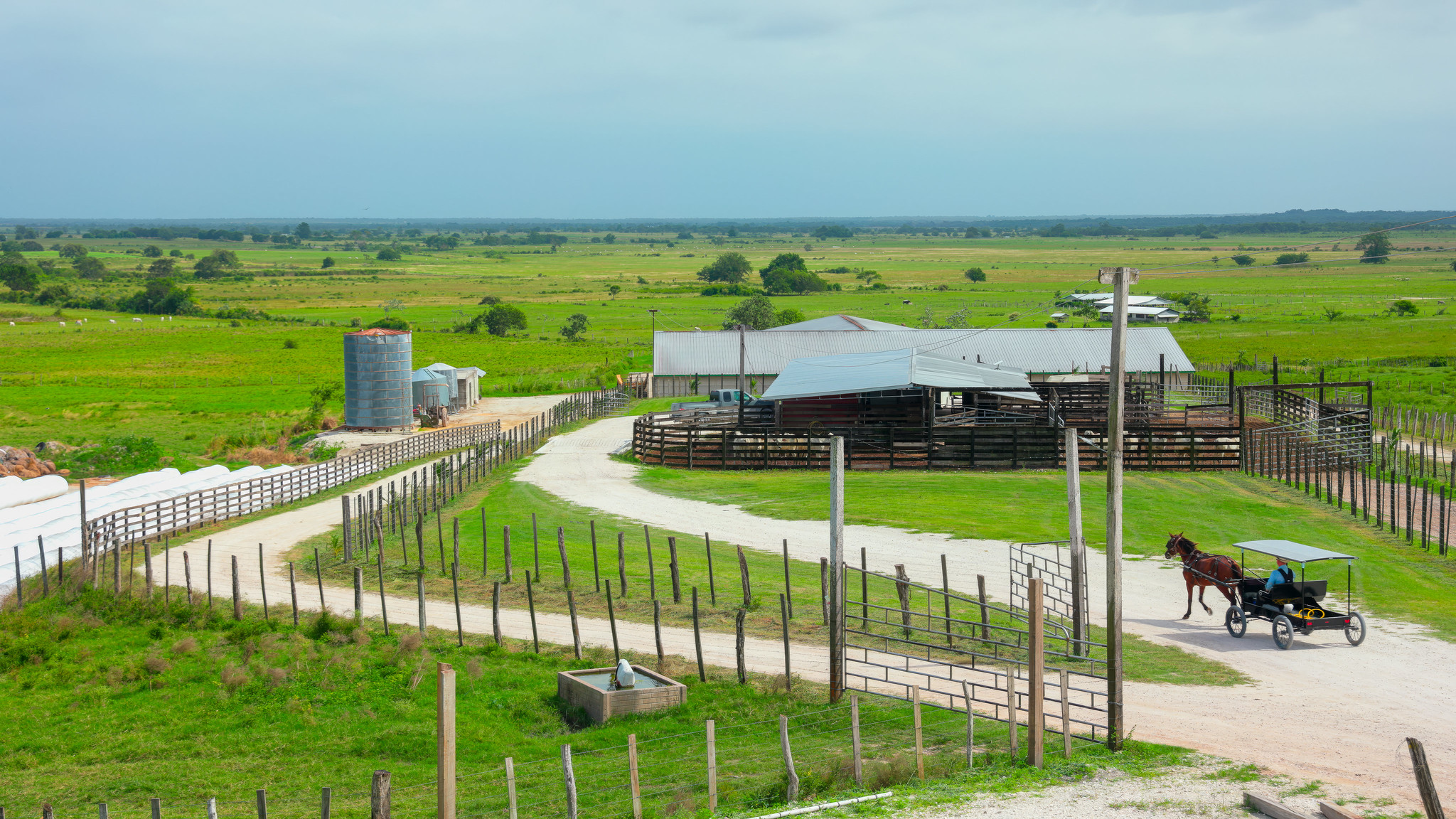
Aerial view with a traditional Mennonite horse and cart at Green Hills Ranch in Shipyard, Belize.
Embracing Innovation
Today Green Hills Ranch runs on 120 solar panels, 7 inverters and 24 batteries, providing 26 kilowatts of electrical power around the clock. Before the DFC financing, backed by CDB, the farm had 9 panels, producing just 3 kilowatts. It is the difference between an operation that can meet export standards and one that cannot.
The ranch now employs 53 people across a range of roles – cowboys, drivers, vaccination technicians, veterinarians and two women from nearby towns who manage administration and finance in the office.
“The job has helped me a lot," says Alda Ramirez, one of two secretaries at Green Hills Ranch. "I have two little girls, and I can help my husband to get ahead and build our own home. I learned how to use CattleMax export software and can now track and manage all the aspects of quantity and the expenses related to export.”
“Everyone in Belize is benefiting today from what they did for us.”
Thanks to Johan Wall’s vision and DFC’s support, cattle prices across Belize have stabilised in ways that would not have been possible without a formal export market. Farmers who previously had no reliable buyer now sell at prices that did not exist before.
“A lot of farmers are investing their money in better breeds, better equipment, better trailers. The communities all around Belize are benefiting from the stable price,” says Edgar Palencia, Corporate Relationship Officer at DFC.
The impact of the DFC's investment in Green Hills Ranch extends far beyond the farm gate. By lending across the entire value chain, not just to large exporters but to smaller cattle farmers alongside them, the institution has helped stabilise an industry that underpins rural livelihoods across Belize.
“When you look at the cattle industry, it touches right across the fabric of Belizean society, so when the farmer makes money, they go to the grocery store, they send their kids to school, they hire people to work with them. So, it touches everyone.”
Looking Ahead
Johan Wall’s next ambition is bigger still: a slaughterhouse to move beyond live export and supply processed beef to the 15-plus countries of The Caribbean Community (CARICOM) across the Caribbean.
“I am seeing the bigger picture of what is happening," he says proudly. "This is impressive, what is happening today. It's getting better.”
Green Hills Ranch is one of many enterprises across Belize and the wider Caribbean that are growing because development finance reached them at the right moment. The DFC's work, made possible with support from the Caribbean Development Bank, continues to ripple outward: into stable prices, into jobs, into families and communities across a country whose agricultural future is being quietly transformed, one ranch at a time.
Implementing Partner: Development Finance Corporation, Belize
Donor / Fund: Caribbean Development Bank
Photo Gallery
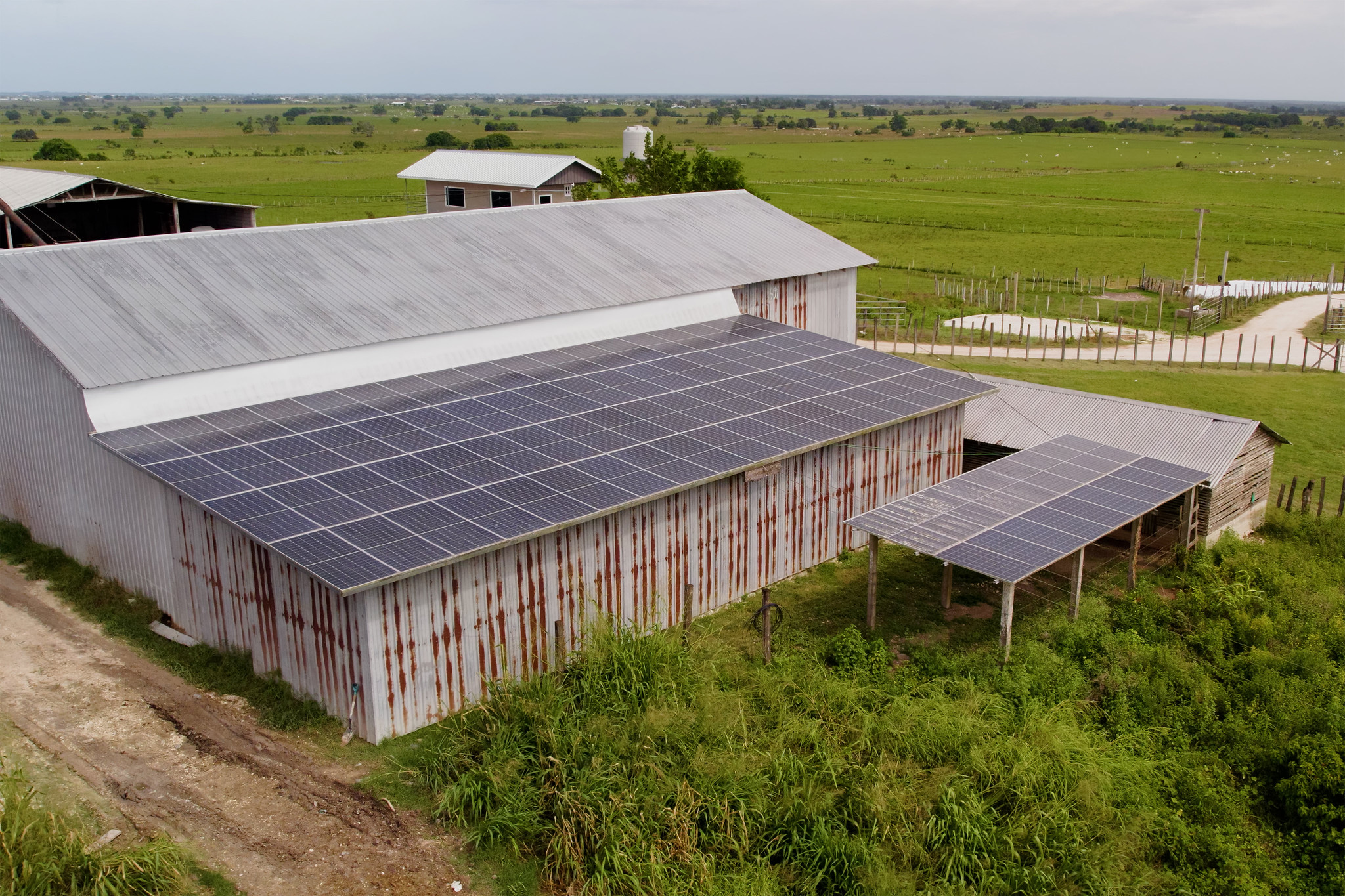
Today Green Hills Ranch in Shipyard, Belize, runs on 120 solar panels, 7 inverters and 24 batteries, providing 26 kilowatts of electrical power around the clock. Before receiving financing from DFC, the ranch had 9 panels, producing just 3 kilowatts.
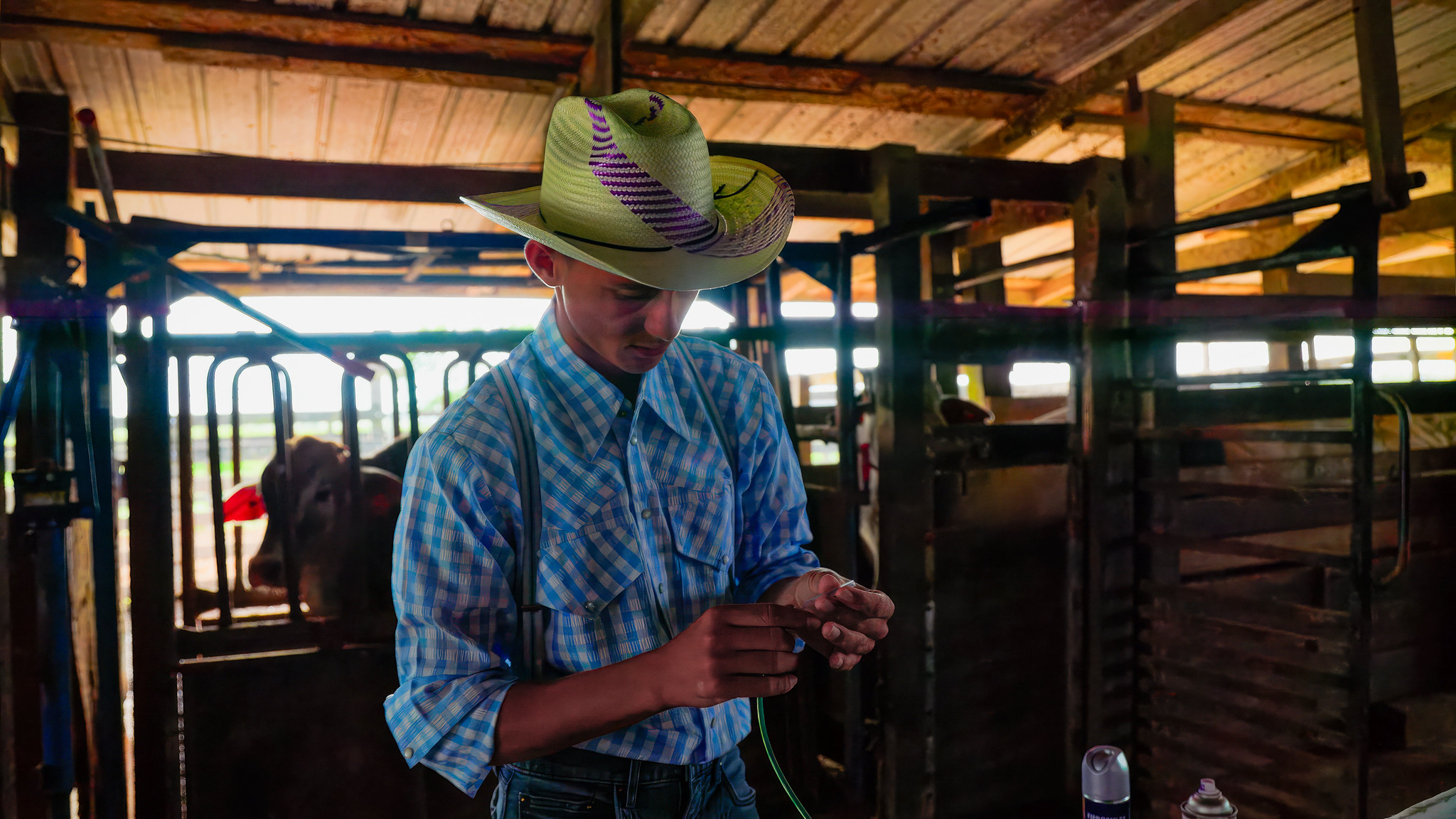
Johan Wall's son prepares vaccinations for cattle exports to Mexico.
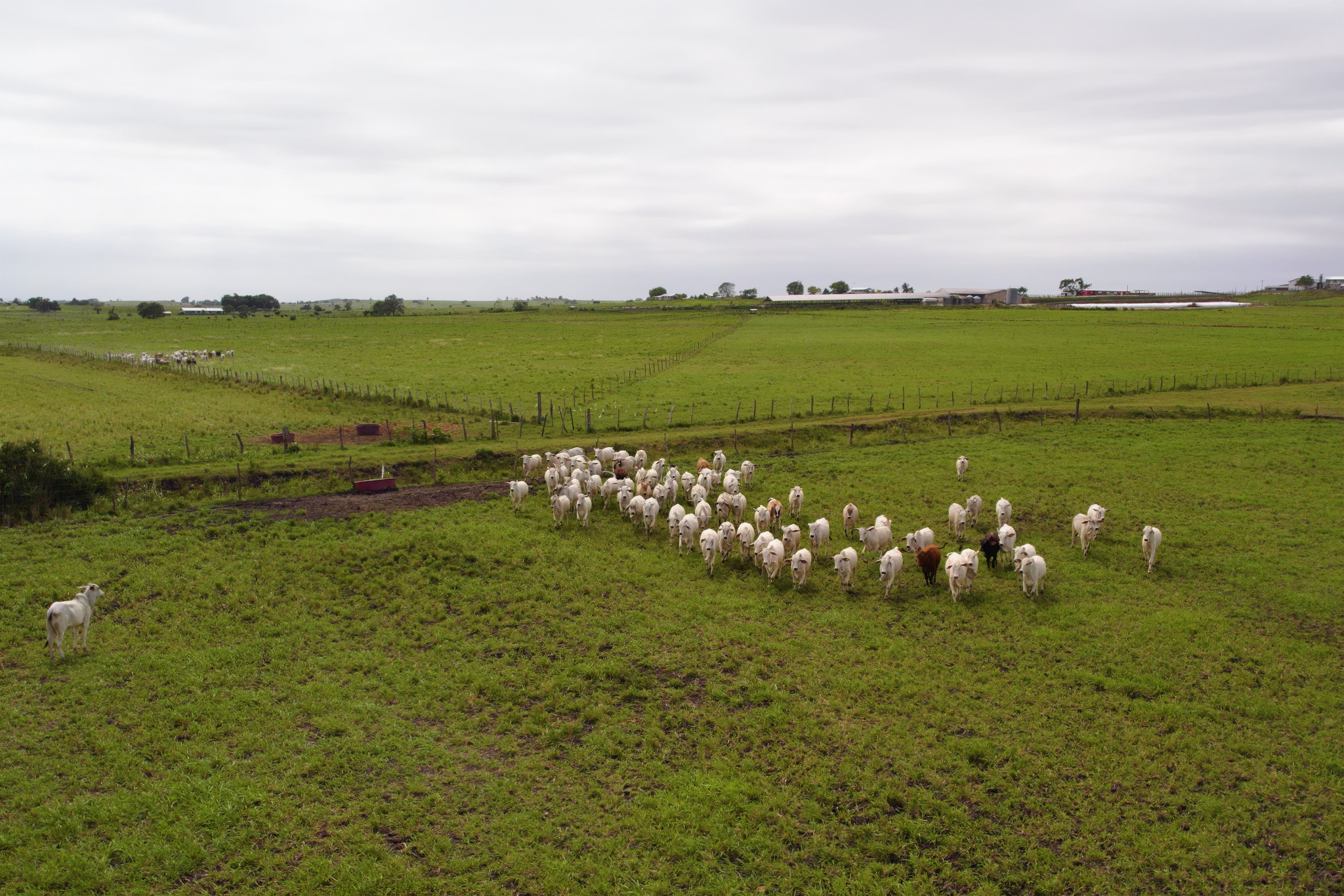
Cattle for export at Green Hills Ranch in Shipyard, Belize.
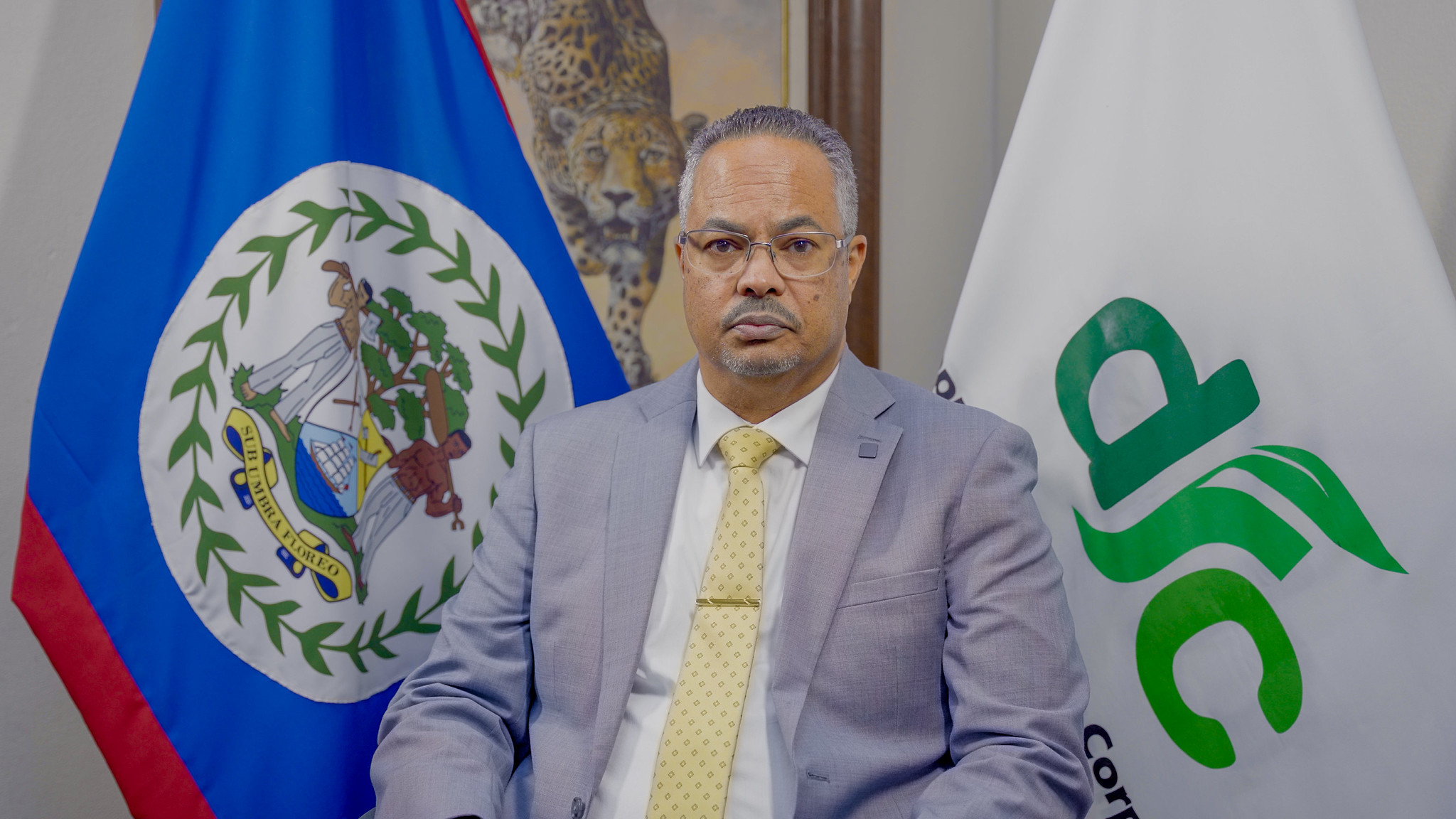
Henry Anderson, Chief Executive Officer, Development Finance Corporation, Belize.
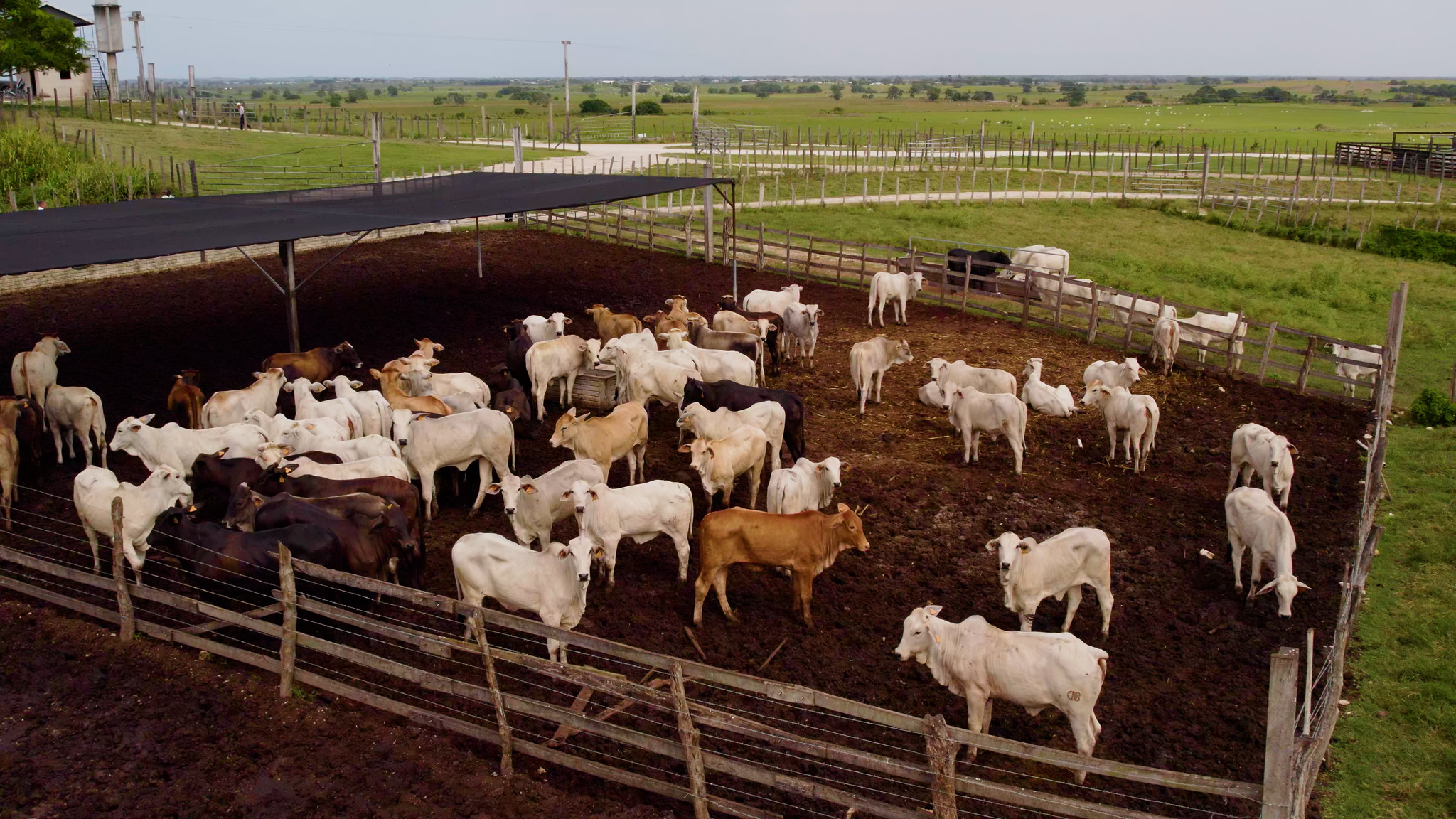
Cattle at Green Hills Ranch in Shipyard, Belize.
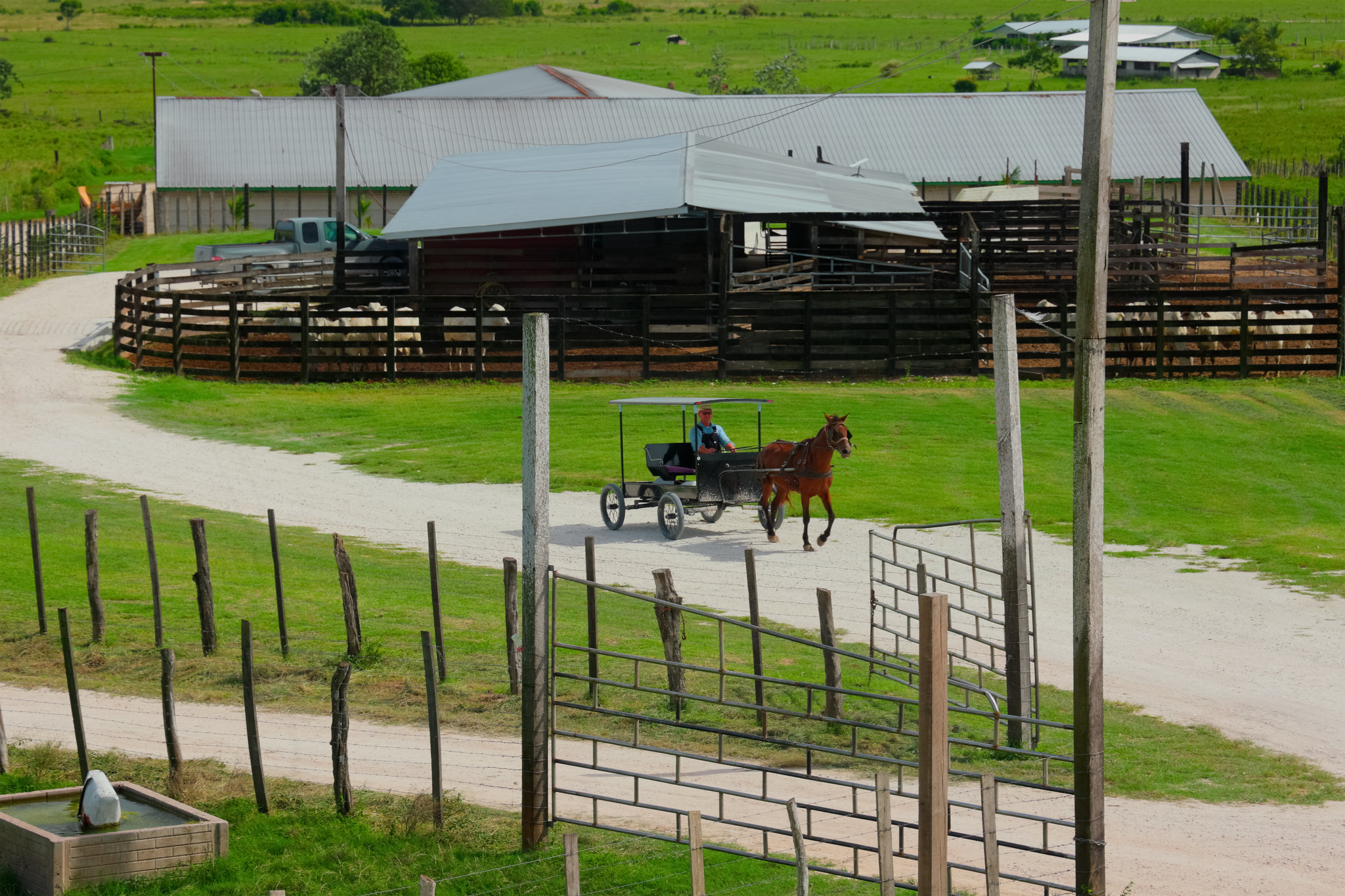
Aerial view of Green Hills Ranch.
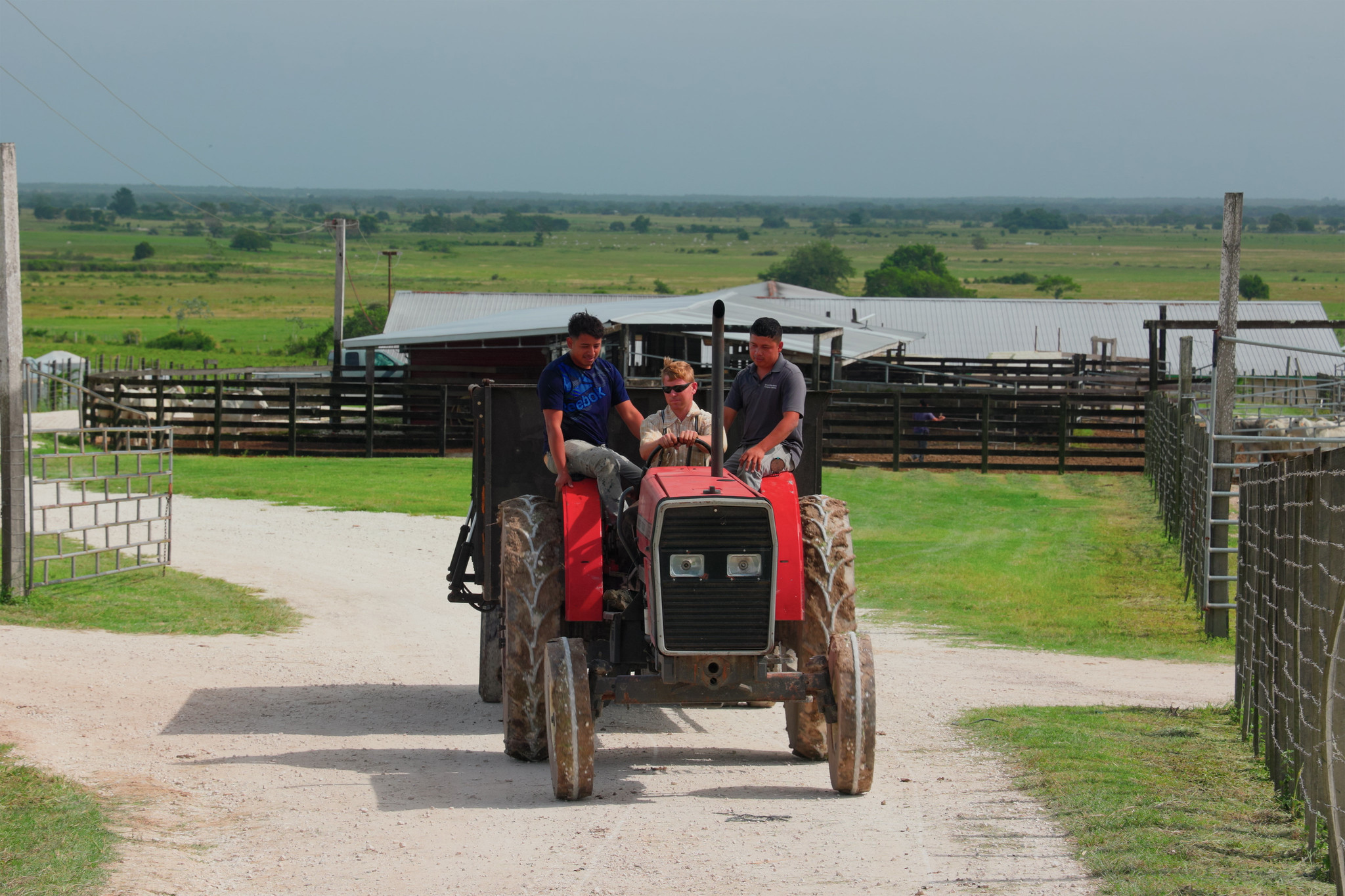
Workers on a tractor at Green Hills Ranch.
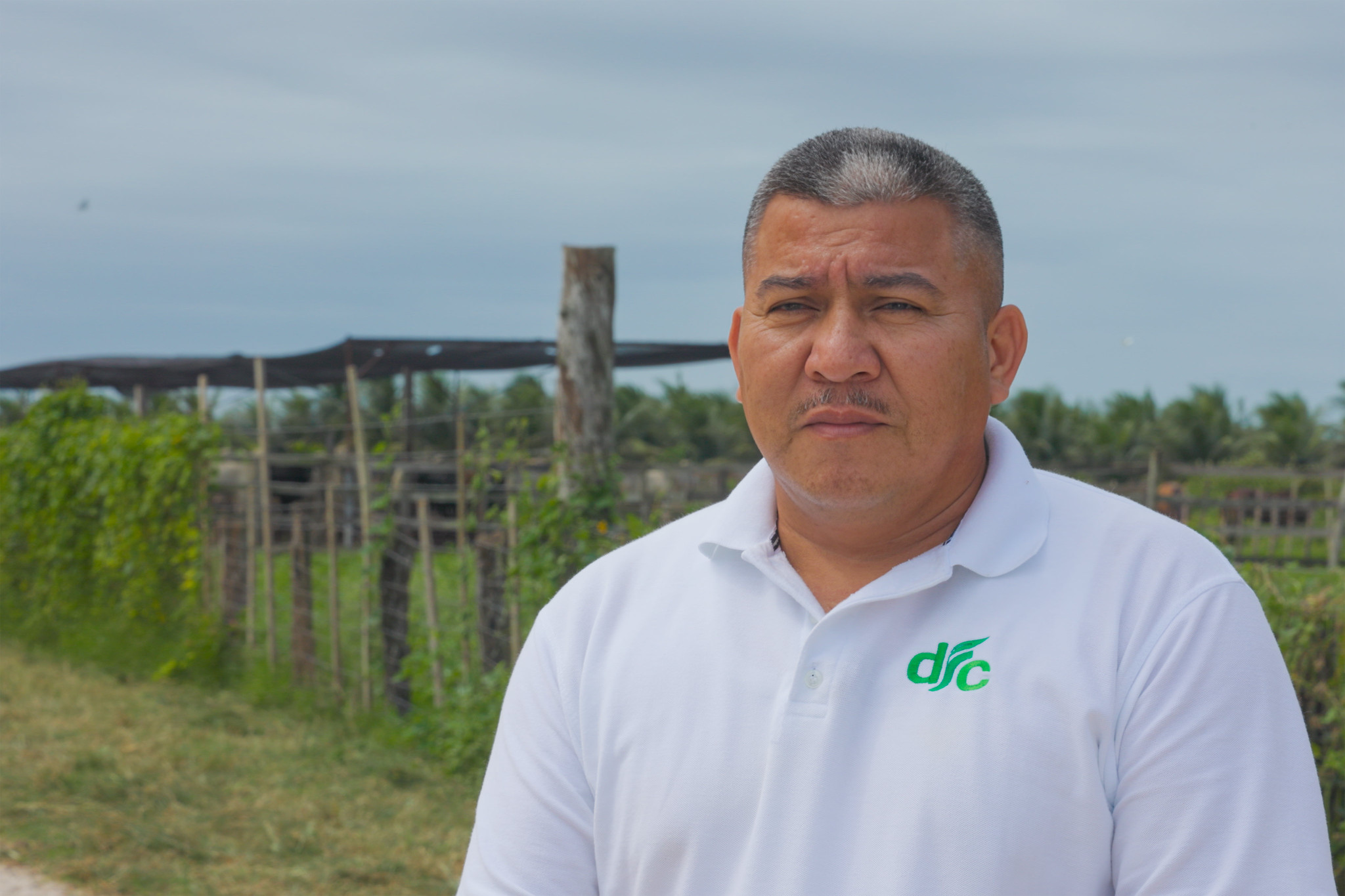
Edgar Palencia, Corporate Relations Officer at DFC, explains the greening of agriculture operations in Belize.
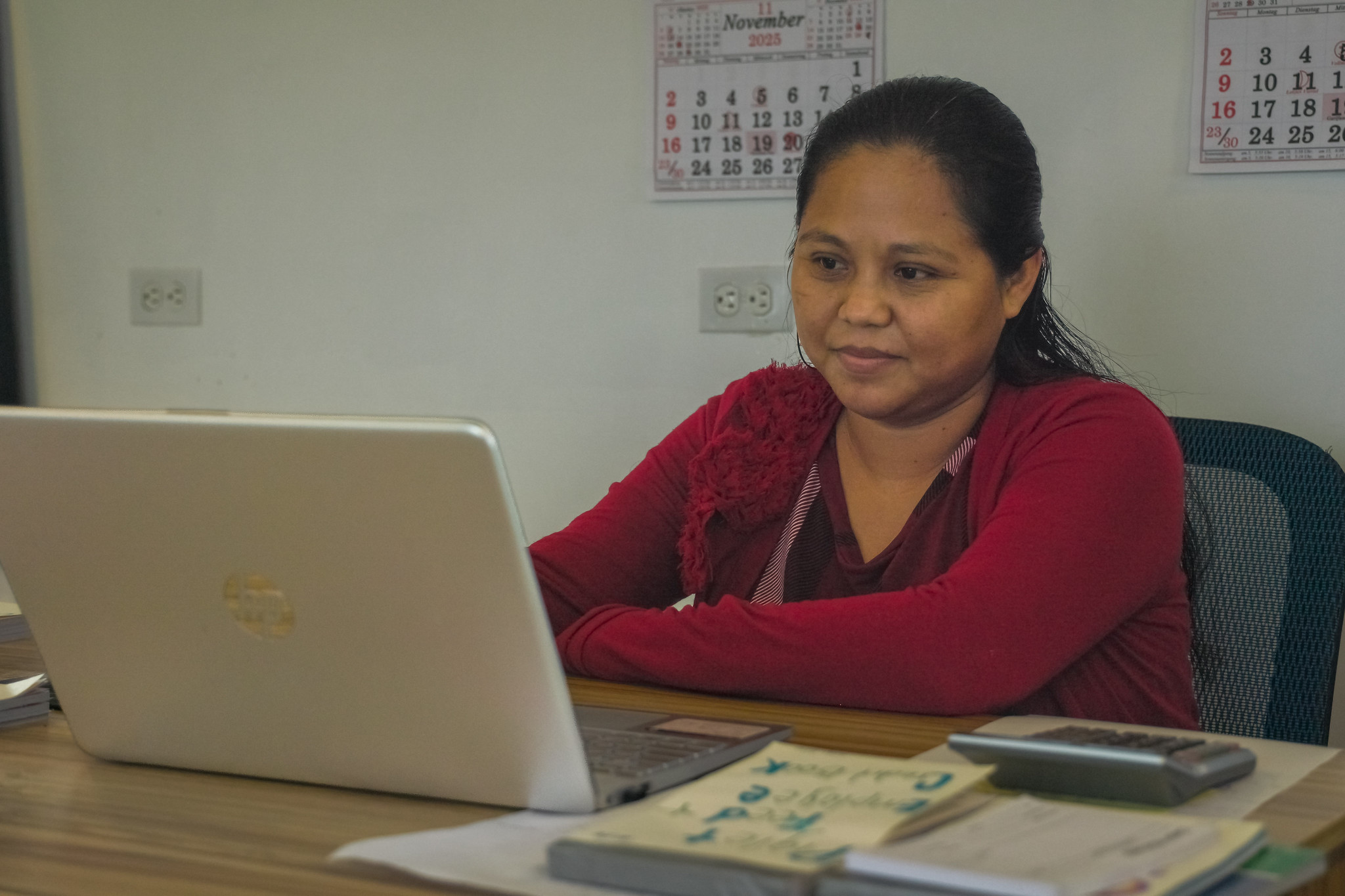
Thanks to her job as a secretary at Green Hills Ranch, Alda Ramirez is able to support her two young daughters and contribute to building a home with her husband.
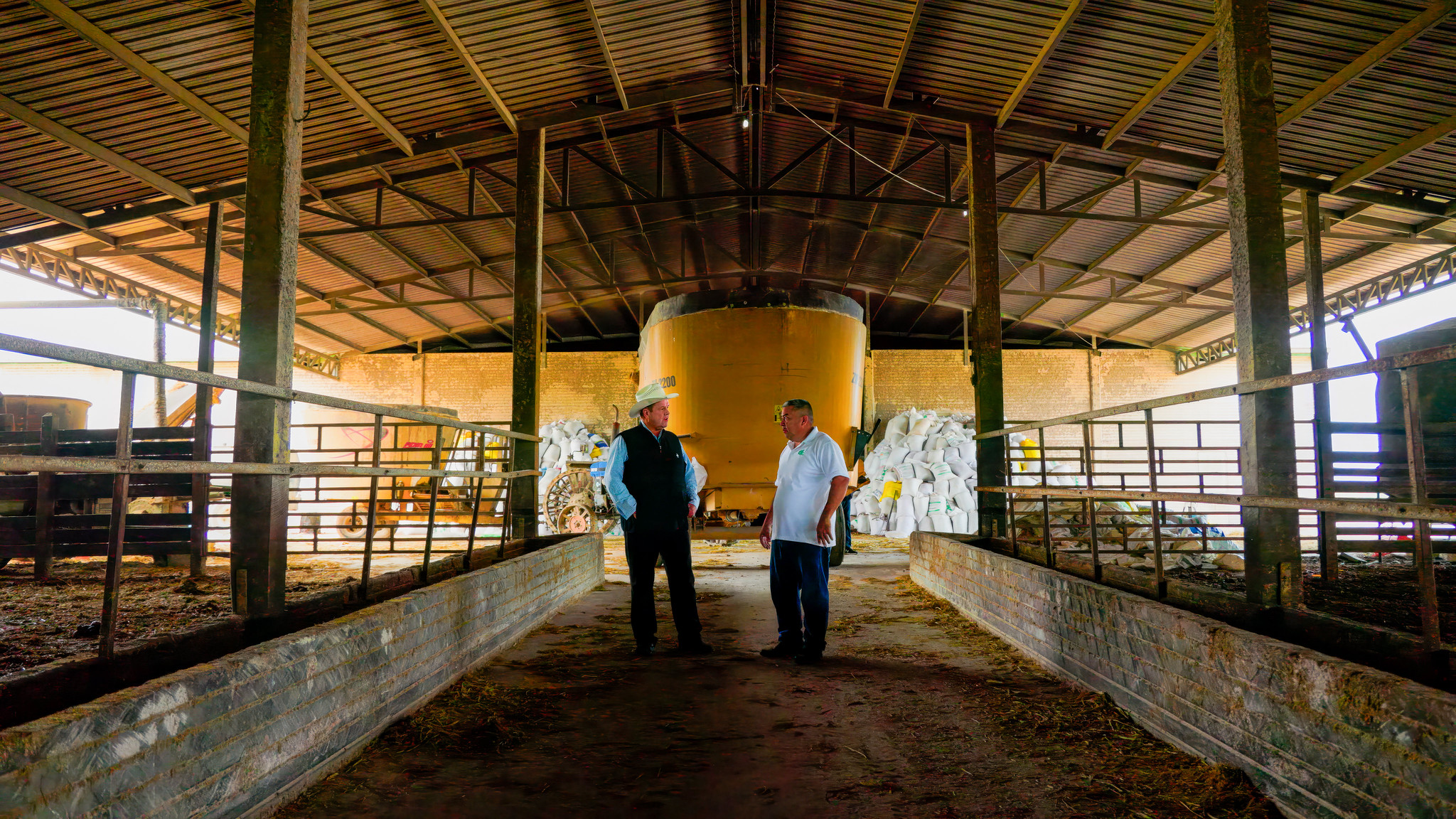
Johan Wall, the owner of Green Hills Ranch in Shipyard, Belize, speaking with Edgar Palencia, Corporate Relations Officer, Development Finance Corporation, about his cattle exports.
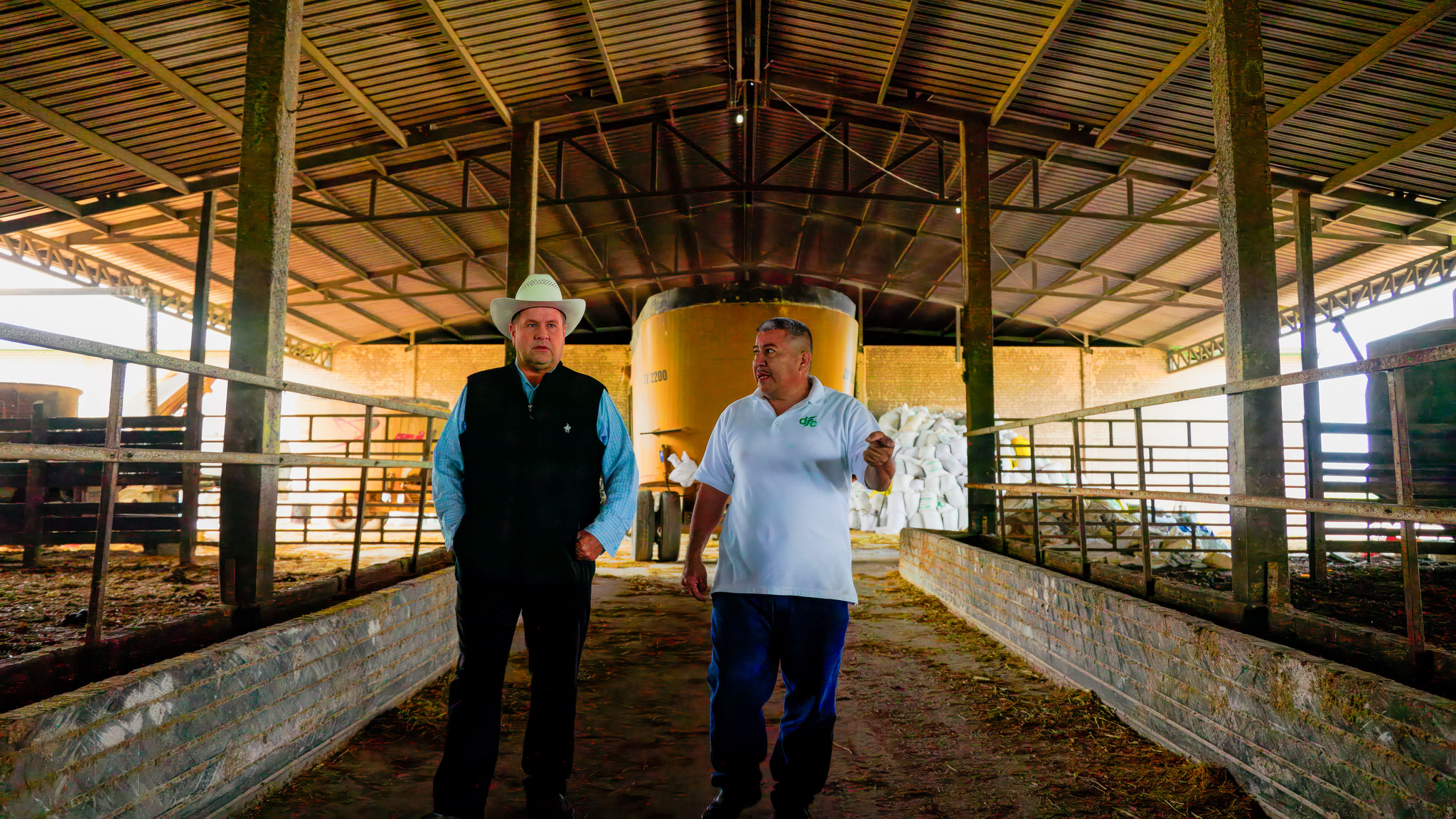
Johan Wall, the owner of Green Hills Ranch in Shipyard, Belize, speaking with Edgar Palencia, Corporate Relations Officer, Development Finance Corporation, about his operations.
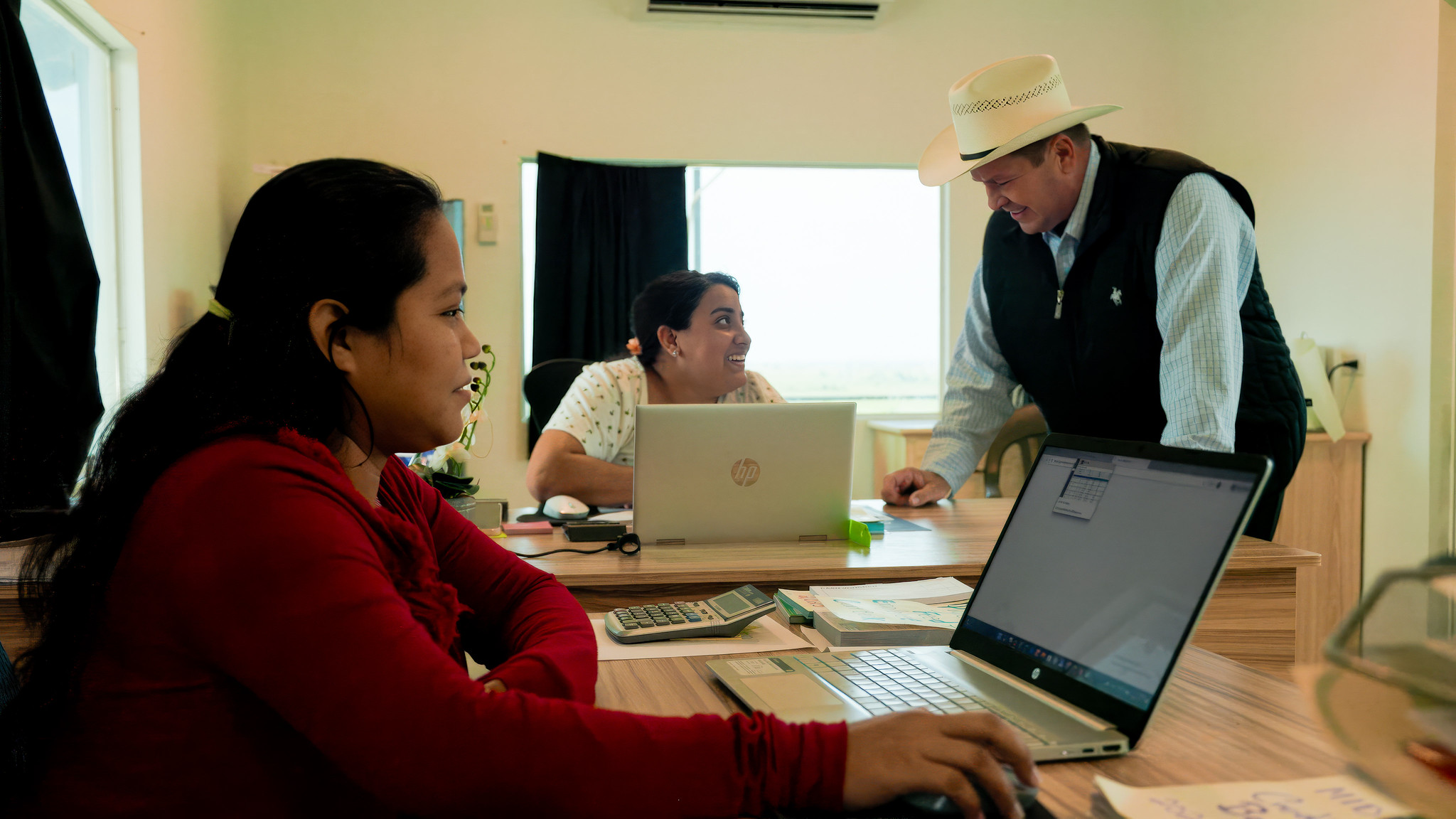
Johan Wall, the owner of Green Hills Ranch in Shipyard, Belize, speaking with Rosalinda Gonzales, one of two women working in administration and finance in the ranch office.
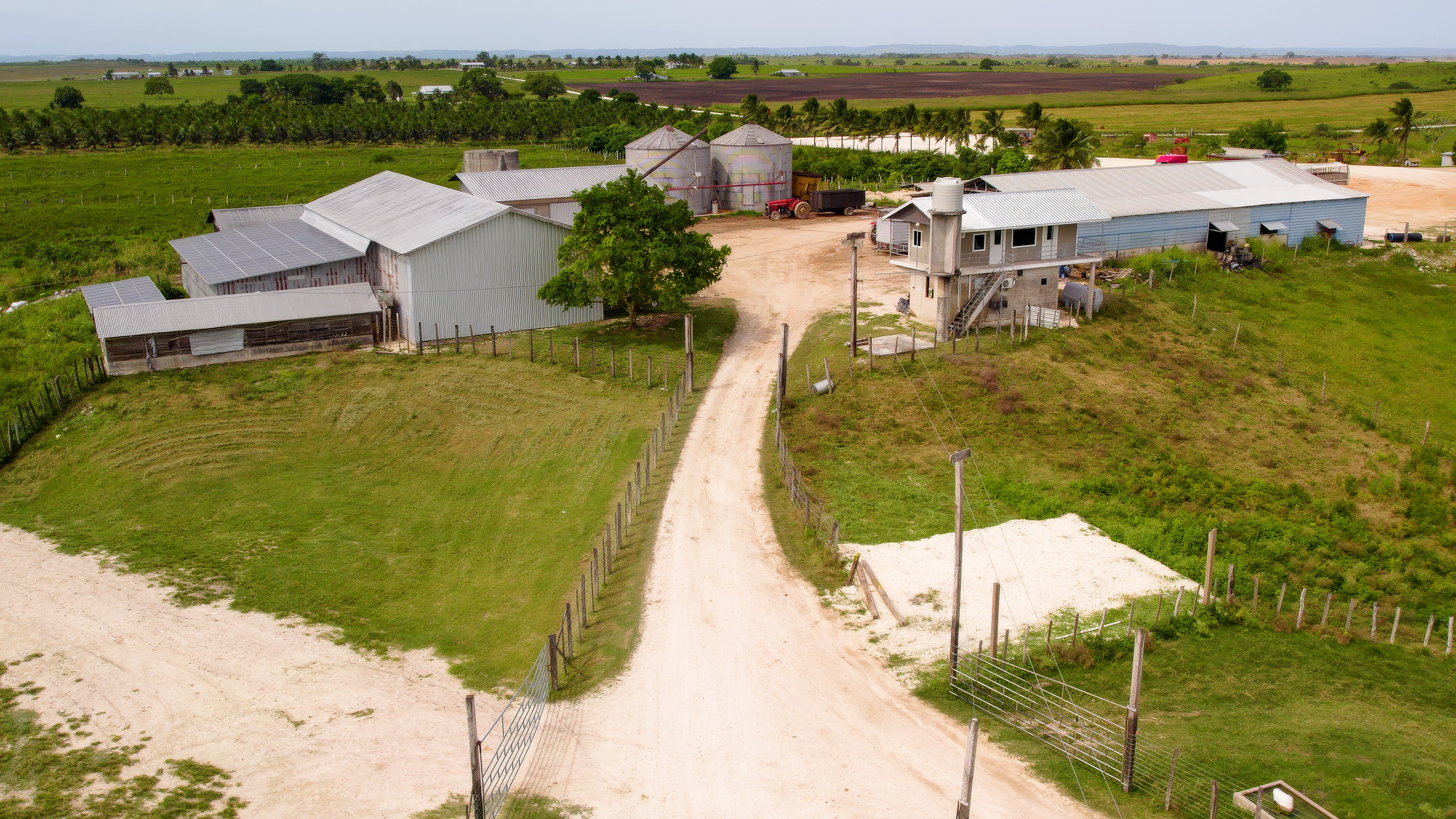
Aerial view of Green Hills Ranch in Shipyard, Belize.
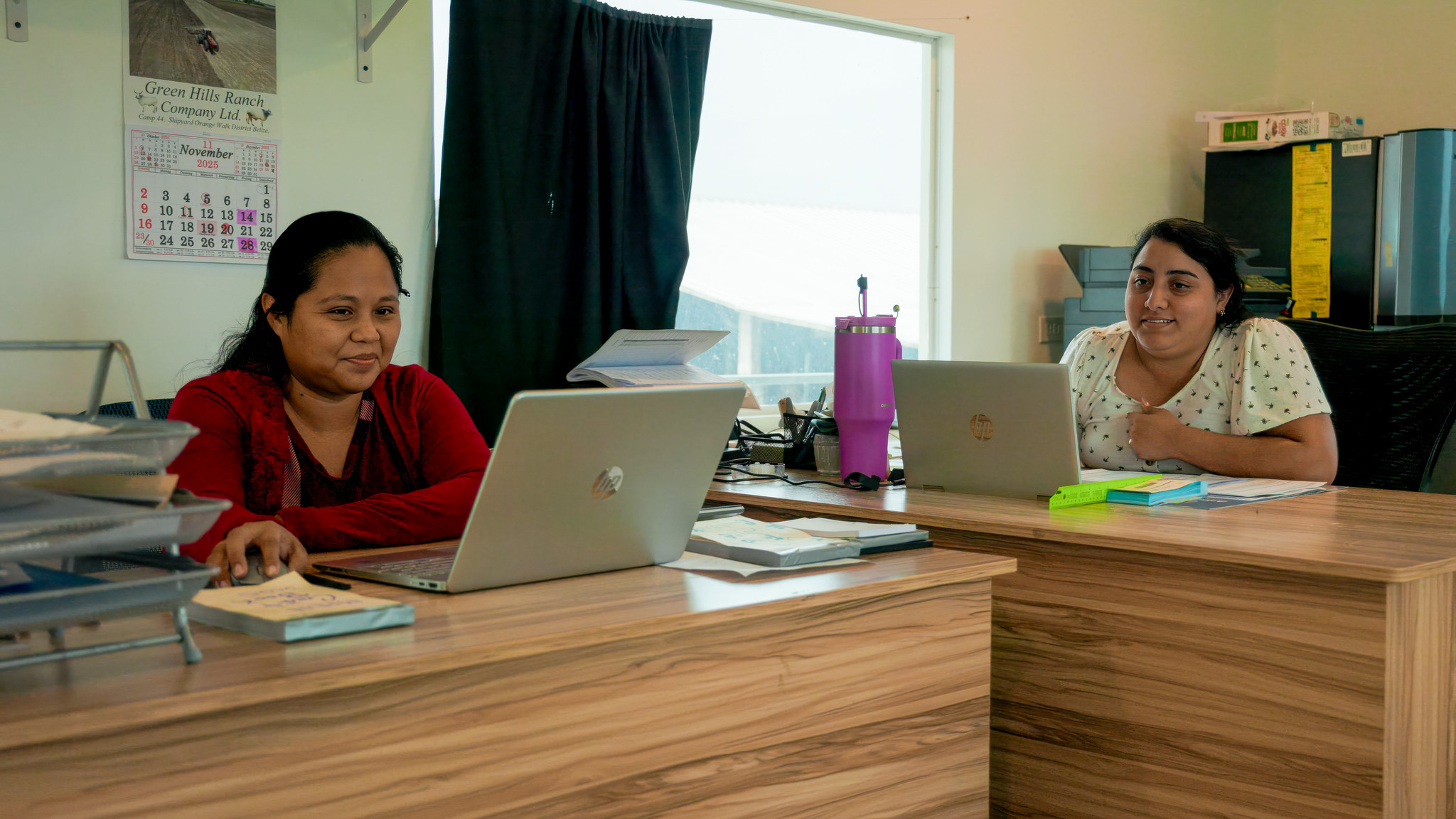
Expanding the business: In 2023, Alda Ramirez (left) and Rosalinda Gonzales were hired to manage administration and finance in the Green Hills Ranch office.
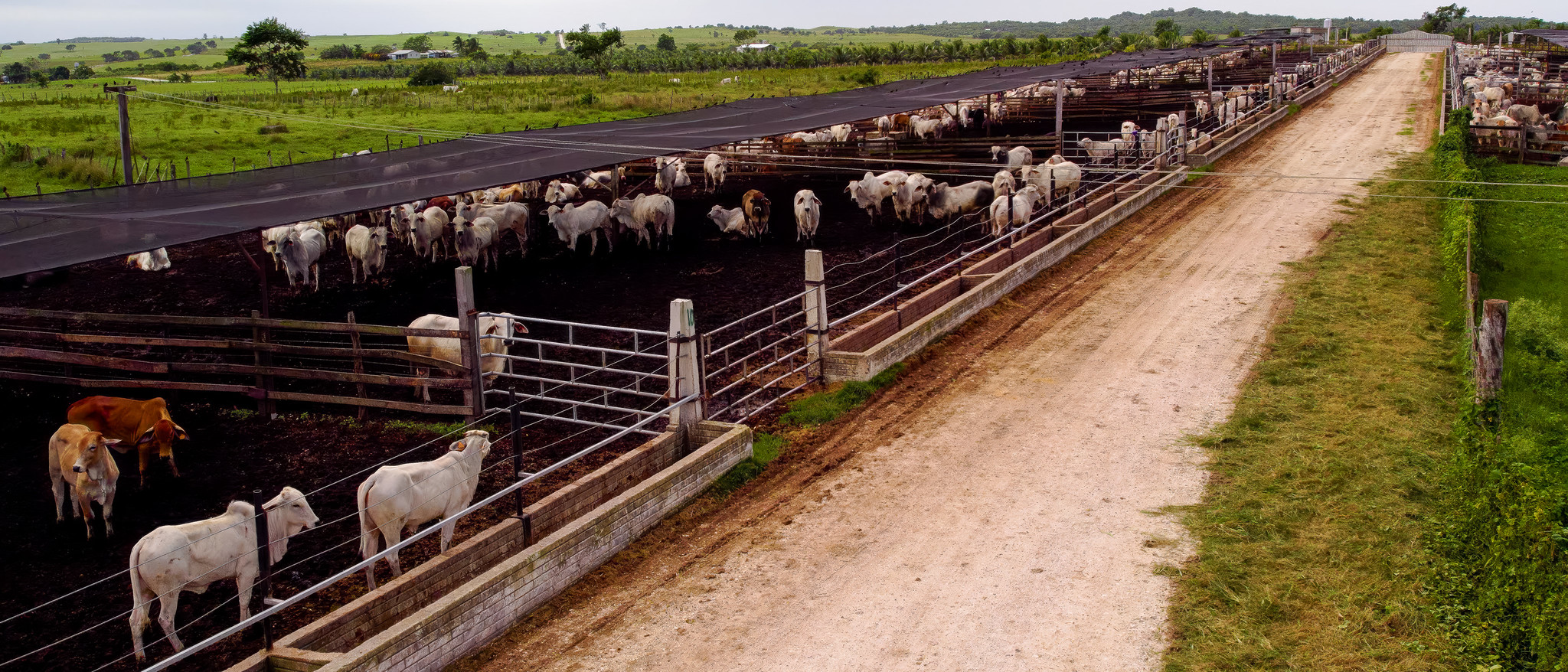
Cattle in the corral at Green Hills Ranch in Shipyard, Belize.
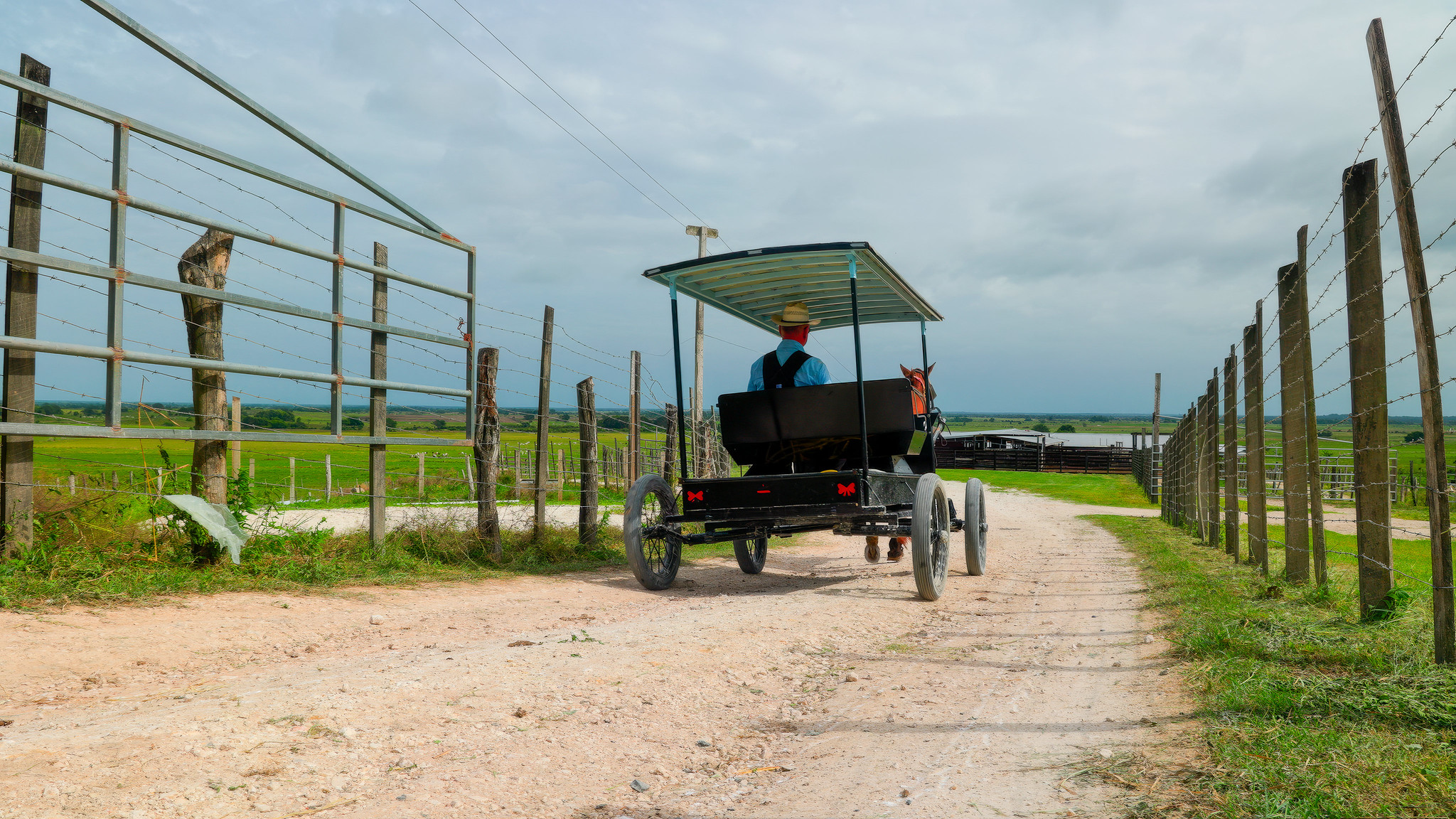
Traditional horse and cart in Shipyard, Belize.
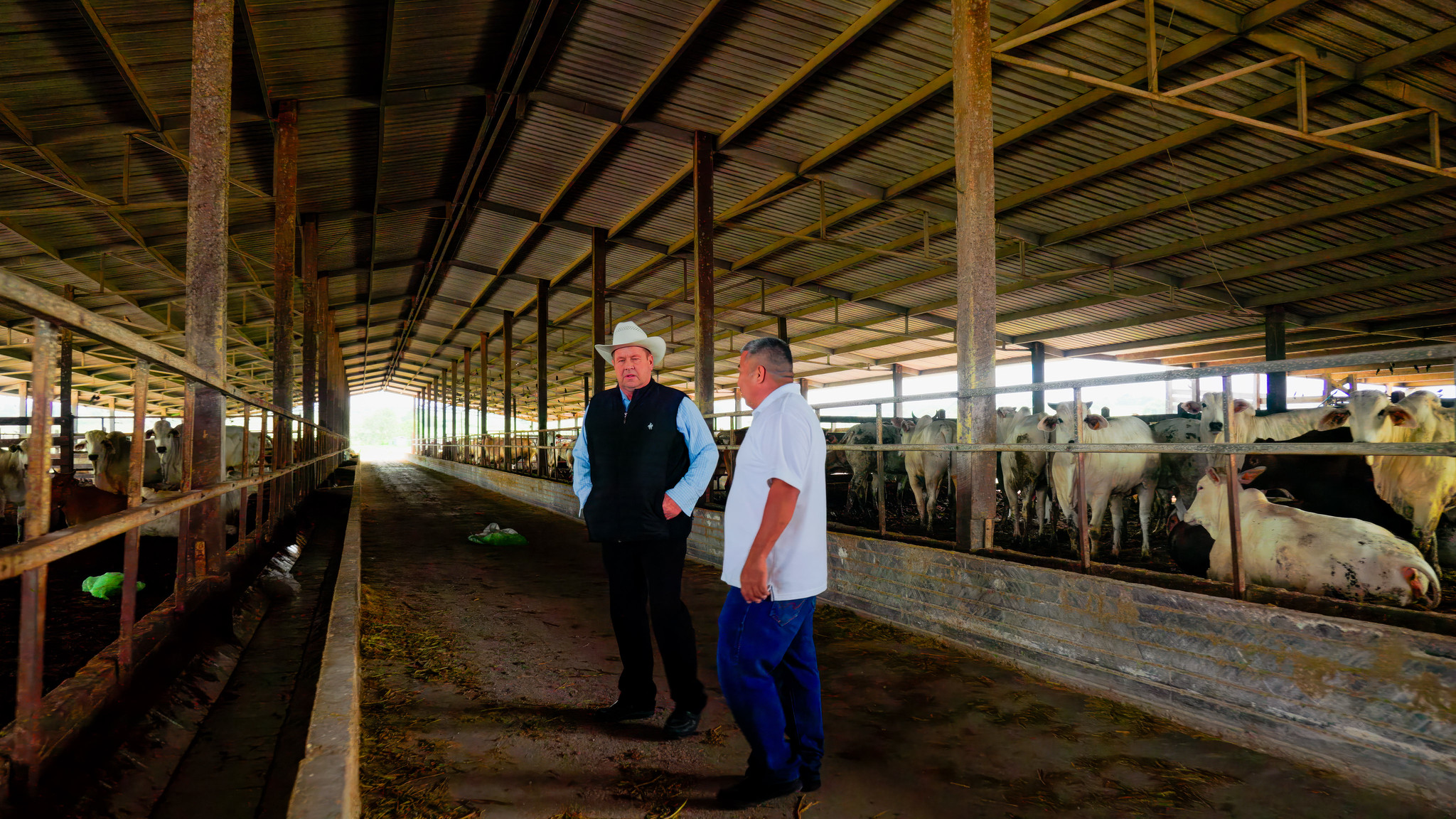
Johan Wall, the owner of Green Hills Ranch in Shipyard, Belize, discusses his plans for expanding operations with Edgar Palencia, Corporate Relations Officer, Development Finance Corporation.
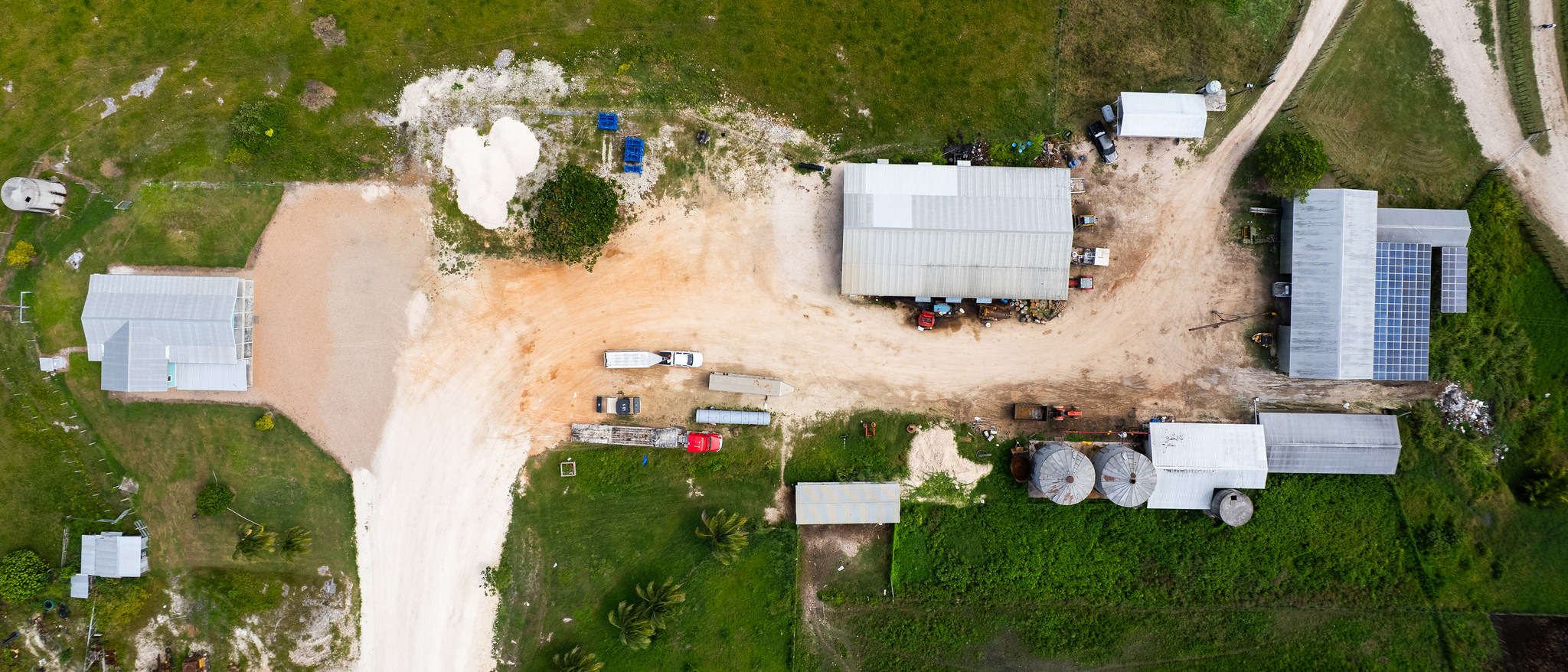
Aerial view of Green Hills Ranch.