“The Responsibility Rests With Us”: CDB President Issues Urgent Call to Reimagine Caribbean Climate Finance

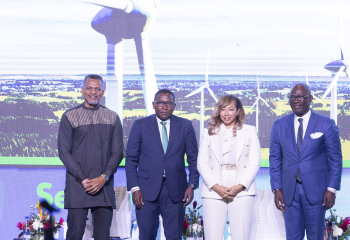
BRIDGETOWN, Barbados, May 29, 2026 – The Caribbean faces a stark choice: transform how it finances resilience and development, or remain trapped in a cycle of debt, constrained growth, and escalating climate shocks. That was the pointed message from the President of the Caribbean Development Bank, Mr. Daniel M. Best, at IDB Invest Sustainability Week 2026, where he urged multilateral partners, private investors, and governments to move beyond incremental responses to the region’s mounting vulnerabilities.
With the Caribbean’s gross financing needs projected at US$65.2 billion over the next decade, and less than 10 per cent of the US$14 billion needed annually for climate readiness currently being mobilised, the President warned that the region can no longer afford fragmented or short-term approaches to development finance.
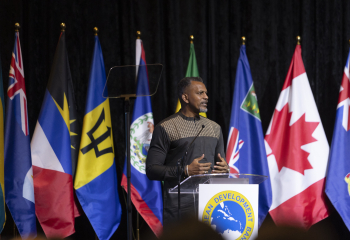
Delivering the keynote address at the forum, Best focused on the need to unlock greater private sector participation, scale innovative financing solutions, and strengthen multilateral collaboration to help break the region’s longstanding development constraints.
“Across our region, the private sector is not simply a beneficiary of development—it is a primary driver of growth, employment, and productivity,” Best said. “If we are serious about building resilient economies, then the private sector must be enabled, incentivised, and financed to lead that transformation.”
A Cycle That Must Be Broken
The President painted a candid picture of the structural pressures bearing down on Caribbean economies: high debt burdens, limited fiscal space, and repeated external shocks—from climate disasters to global economic volatility—compounded by borrowing costs that remain elevated even for countries with strong repayment histories.
“The result is a difficult cycle,” he said. “Debt servicing crowds out investment, investment constraints limit growth, and limited growth reinforces fiscal vulnerability.”
The urgency is underscored by the region’s climate exposure. In just the past eight years, the Caribbean has been struck by five Category 5 hurricanes—a frequency the President described as a sobering reminder that climate risk is not a future threat, but a present reality.
Turning Liabilities into Opportunities
Against this backdrop, the President used the forum to spotlight the Multi-Guarantor Debt-for-Resilience Swap as an example of the innovative financial instruments needed to create fiscal space while accelerating resilience investments.
“At its heart, this swap is about partnership and choice,” the President explained. “It brings together multiple guarantors to reduce risk, lower borrowing costs, and create meaningful fiscal space that governments can redirect toward long-term resilience investments such as health care, climate adaptation, disaster preparedness and other pressing priorities.”
He stressed that the success of such instruments will depend on coordinated action among multilateral development banks, governments, private insurers, commercial banks, and investors. He also pointed to the Caribbean Development Bank’s expanding work with the private sector through blended finance, guarantees, co-financing partnerships, and entrepreneurship support aimed at strengthening the region’s investment climate.
“This is not debt relief for its own sake,” Best said. “It is debt transformation—turning liabilities into opportunities, and obligations into investments in people, communities, and futures.”
Closing the address, he called for a shift from dialogue to decisive implementation, challenging development partners and the private sector to match the scale of the region’s ambition.
“The global environment is uncertain and volatile. And the reality is clear: no one is coming to rescue us. The responsibility rests with us—our institutions, our partners, and our people—to act collectively, to act boldly, and to act now.”
###