Water Resource Management
Promoting sustainable use of freshwater resources, improving water infrastructure, enhancing resilience to scarcity, and supporting climate-smart management.
Promoting sustainable use of freshwater resources, improving water infrastructure, enhancing resilience to scarcity, and supporting climate-smart management.
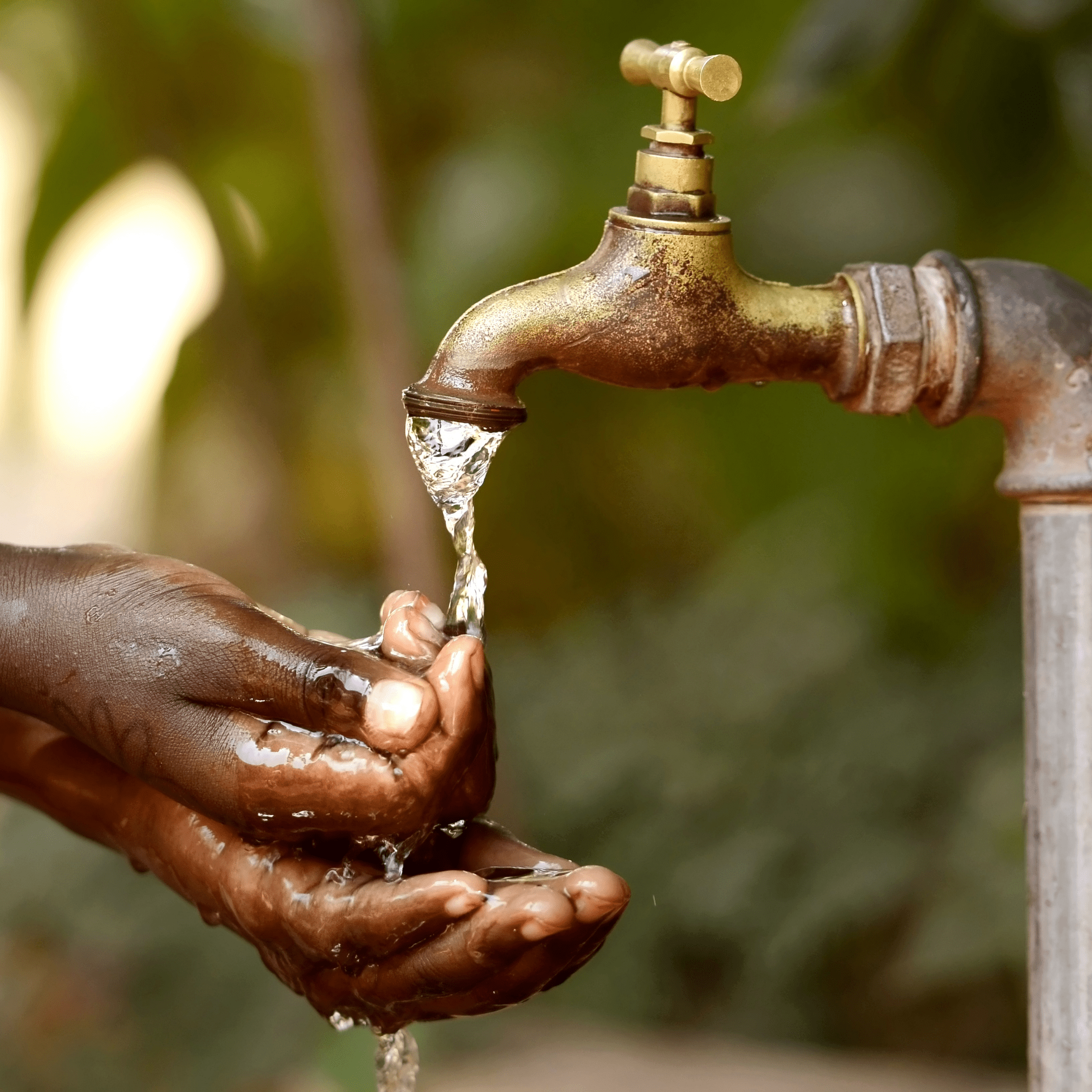
Effective water resource management is critical for the sustainable development of the Caribbean, where many Borrowing Member Countries (BMCs) are classified as water-scarce or water-stressed.
Challenges such as aging infrastructure, inadequate tariffs, limited investment, water losses, and weak regulatory systems continue to hinder progress. These pressures are further intensified by the impacts of climate change, including shifting rainfall patterns, droughts, and flood risks.
To address these issues, the Caribbean Development Bank (CDB) prioritises investments and partnerships that expand safe water access, improve sanitation, strengthen waste management systems, and build regional capacity through education and training.
CDB supports initiatives to expand and modernise water systems across the region, recognising that reliable access to potable water is essential for households, communities, and economic development. Key interventions include installing and upgrading water lines, strengthening transmission networks, and financing climate-resilient infrastructure.
Example: A notable example is the loan of USD 22.8 million to the Government of Saint Lucia to upgrade the John Compton Dam’s water supply and transmission system, improving potable water access for more than 33,000 households.
Adequate sanitation remains a challenge in parts of the Caribbean, where vulnerable communities face health and environmental risks due to insufficient facilities and inadequate sewerage systems. To address these gaps, CDB invests in projects that improve sanitation access and wastewater treatment while promoting innovative technologies that reduce greenhouse gas emissions.
Example: Through a EUR 100 million Water Management and Clean Oceans Framework Loan, secured with the European Investment Bank (EIB), CDB is enabling Borrowing Member Countries to expand wastewater treatment services, strengthen flood protection, and reduce ocean pollution.
Solid waste management is another critical area of focus, as poor disposal practices directly affect public health, ecosystems, and coastal environments. CDB promotes investments in new technologies for waste and wastewater treatment systems that mitigate climate impacts and pollution.
The Bank also engages in partnerships that address marine litter and the broader “Clean Oceans” agenda, ensuring waste management efforts contribute to both environmental resilience and sustainable livelihoods.
Building knowledge and technical capacity is central to strengthening the water and sanitation sector in the region. CDB actively supports regional conferences, stakeholder consultations, and studies to promote knowledge-sharing and innovation.
Example: A recent example includes the Bank’s backing of the second Caribbean Coastal Conference in Jamaica in 2024, which highlighted coastal governance, the Blue Economy, and climate adaptation financing.
Similarly, CDB’s support for the Caribbean Water and Wastewater Association Annual Conference in Trinidad and regional consultations has reinforced dialogue among governments, private sector actors, and development partners on advancing sustainable water and sanitation solutions.