A Climate-Resilient Lifeline
New Coastal Highway “A Dream Come True” for Creole Community in Belize
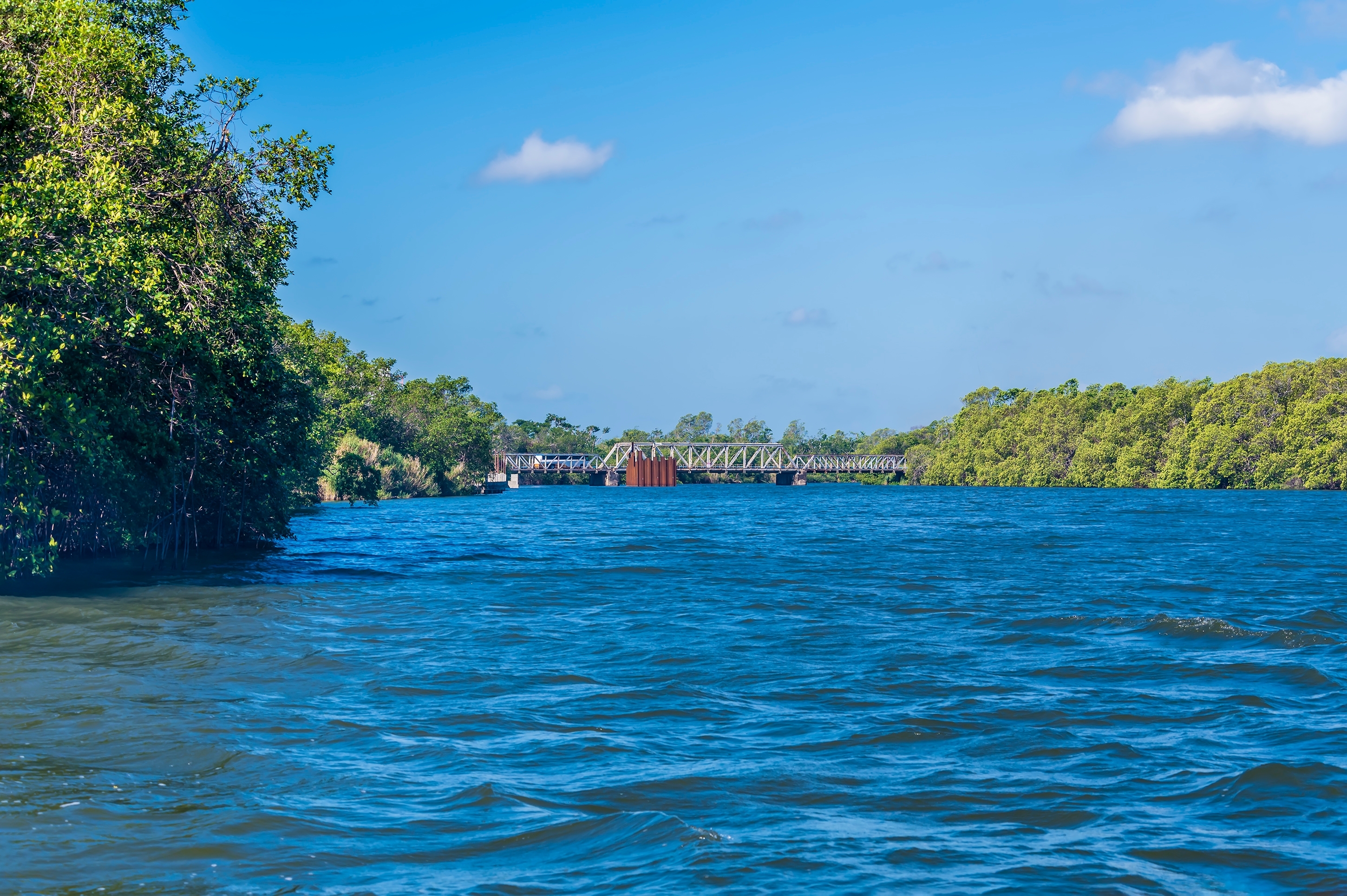
“There’s no place like Gales Point,” says Jamal Galves as his boat slices through the waters of the lagoon that is home to the West Indian manatee and near the nesting beaches of three species of sea turtle. “The environment and the wildlife, the biodiversity, the untouched ecosystems. It’s as pristine as you can find.”
Known in Belize and beyond as “The Manatee Man” for his work protecting the gentle sea cows, Galves grew up Gales Point Manatee, a maroon Creole village about 89 kilometres south of Belize City.
At the age of 11 Galves started volunteering with renowned manatee conservationists. He now works as the Belize Program Coordinator and Research Scientist for the Florida-based Clearwater Marine Aquarium Research Institute.
Today, the marine conservationist’s boat speeds past the mangroves that line the lagoon’s edge. Behind him, the village of Gales Point, set on a narrow spit of land jutting out into the lagoon, recedes in the distance.




Geographic Scope

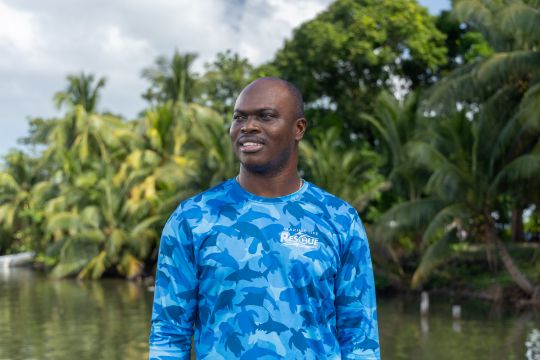
“When it was flooded, the road was inaccessible. You could not get in here; you could not get out of here,” says Jamal Galves, marine conservationist.
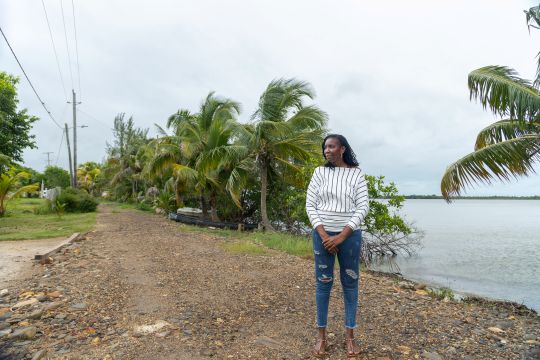
“We had many difficult transportation issues. We felt left out of investment, infrastructure and other developments,” says Nadine Moore, Chairwoman, Gales Point Manatee.
Rough and dusty road
Before the upgrade of the Coastal Highway, a project that transformed a 59-kilometre stretch of seasonal road in Belize to a climate-resilient highway, the village of Gales Point Manatee was cut off for weeks during the rainy season due to flooding. “The road was so bad,” Galves recalls. “When it was flooded, the road was inaccessible. You could not get in here; you could not get out of here.”
“As a researcher, this is our primary research station, this is our ground zero. Trailering a boat on the coastal road was a challenge. It affected our research initiative as well.”
Before, the old road was rough and dusty, and full of potholes, says Nadine Moore, Chairwoman of Gales Point Manatee. For years, the people in Gales Point didn’t have easy access to basic services or livelihoods, she says. “In the rainy season, it was muddy and sometimes impossible for vehicles to go to the city or town.
“We had many difficult transportation issues. We felt left out of investment, infrastructure and other developments.”
“The road could not have come at a better time, especially with the impacts of climate change upon us. We’re living it every day.”
Seated on the hull of an overturned boat outside his home, Kevin Andrewin, Chair of the Gales Point Wildlife Sanctuary, remembers how the poor road affected tourism and access for the school buses bringing children in and out of the village for school. “Before the coastal road was paved, we’d have a couple days’ rain. The bus, used to can’t make it from Dangriga to pick up the children. And that used to happen every year.”
His wife, Shermandine Samuels-Andrewin, the Principal at Gales Point Government School, was the only teacher at her elementary school who lived in the community. “Most of our teachers here at Gales Point Government School are from Dangriga,” she says. “So, when it’s raining and the Coastal Road is flooded then they wouldn’t be able to get here to teach for sometimes a whole week.”
Many of the 70 or so primary students travel to Gales Point school by school bus from Dangriga, Mullins River or along the highway, says Samuels-Andrewin, so when the coastal road was flooded, they would miss class.
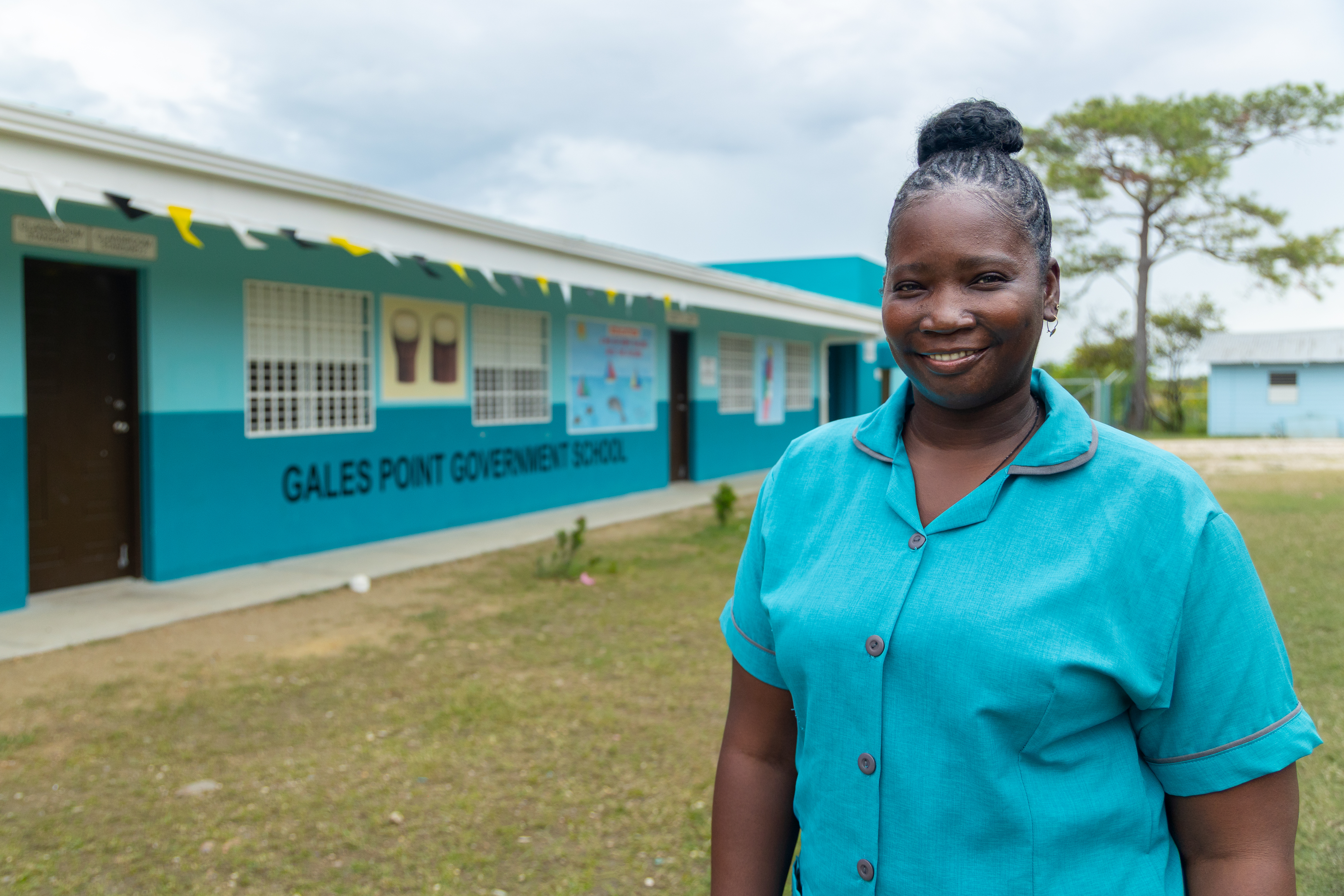
“My attendance grew, improved, because the students are here, the teachers are here every day,” says Shermandine Samuels-Andrewin, Principal at Gales Point Government School.
A new Coastal Highway
Standing in one of the new bus shelters at the La Democracia junction, where the Coastal Highway begins, Michelan Gilharry, the Project Engineer leading the Coastal Highway Upgrading Project in the Project Execution Unit of the Ministry of Infrastructure Development and Housing in Belize, explains how the highway upgrade came about. “Prior to the upgrading of this project, this Coastal Highway was a seasonal road. During the rainy season, it was not used because it was flooded and you would have about two weeks or three weeks of inaccessibility.”
The idea came to upgrade the highway when the funding, consisting of a US$33.9 million grant from the United Kingdom Government through the UK Caribbean Infrastructure Fund (UKCIF), alongside a US$36.6 million loan from the Caribbean Development Bank and US$7.5 million in counterpart funding from the Government of Belize, was made available. The design stage kicked off in 2017 and was completed in 2019, and, from January 2020 to July 2023, the civil works stage was completed.
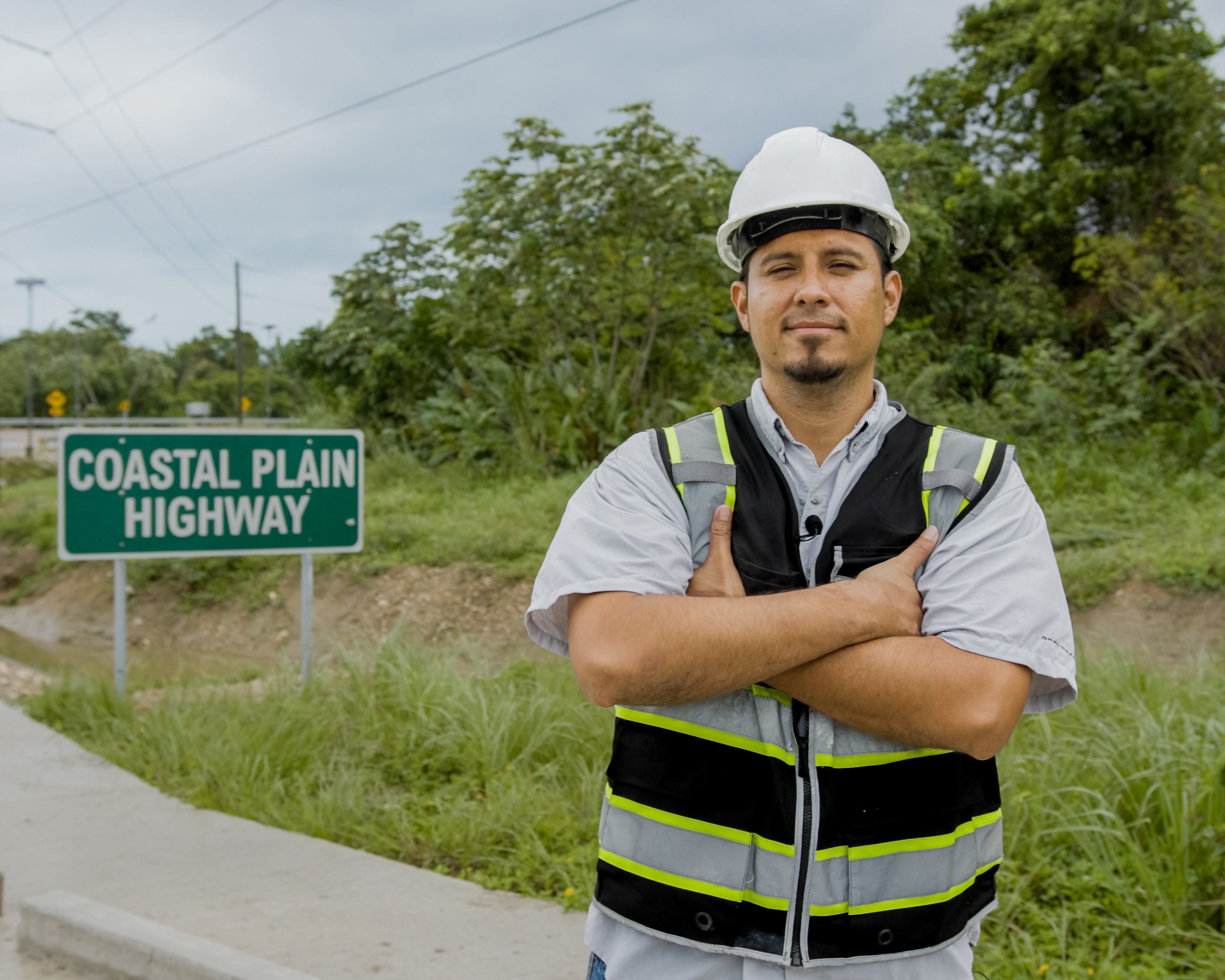
Michelan Gilharry, engineer on the Coastal Highway Upgrading Project, stands proudly by one of the new road signs.
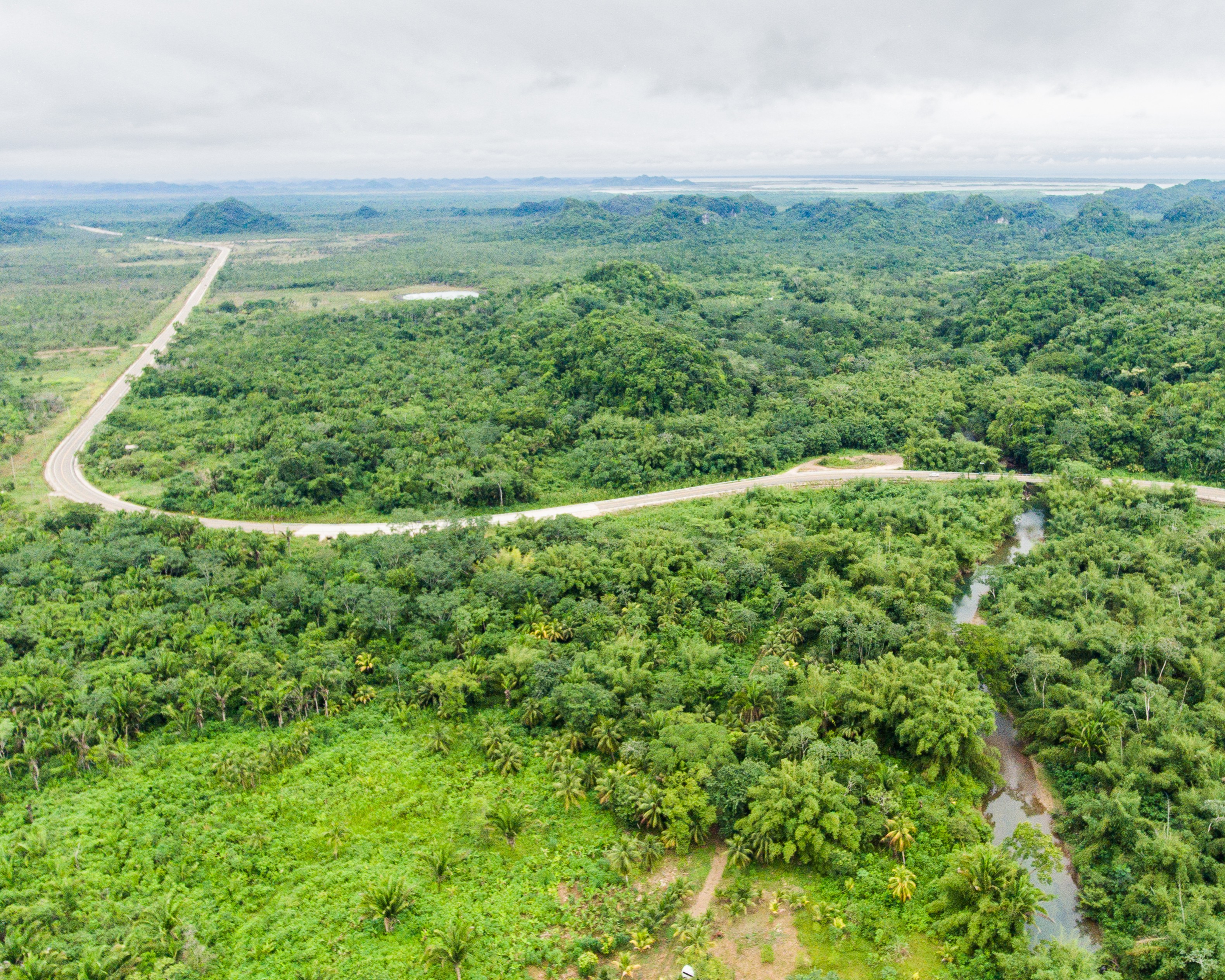
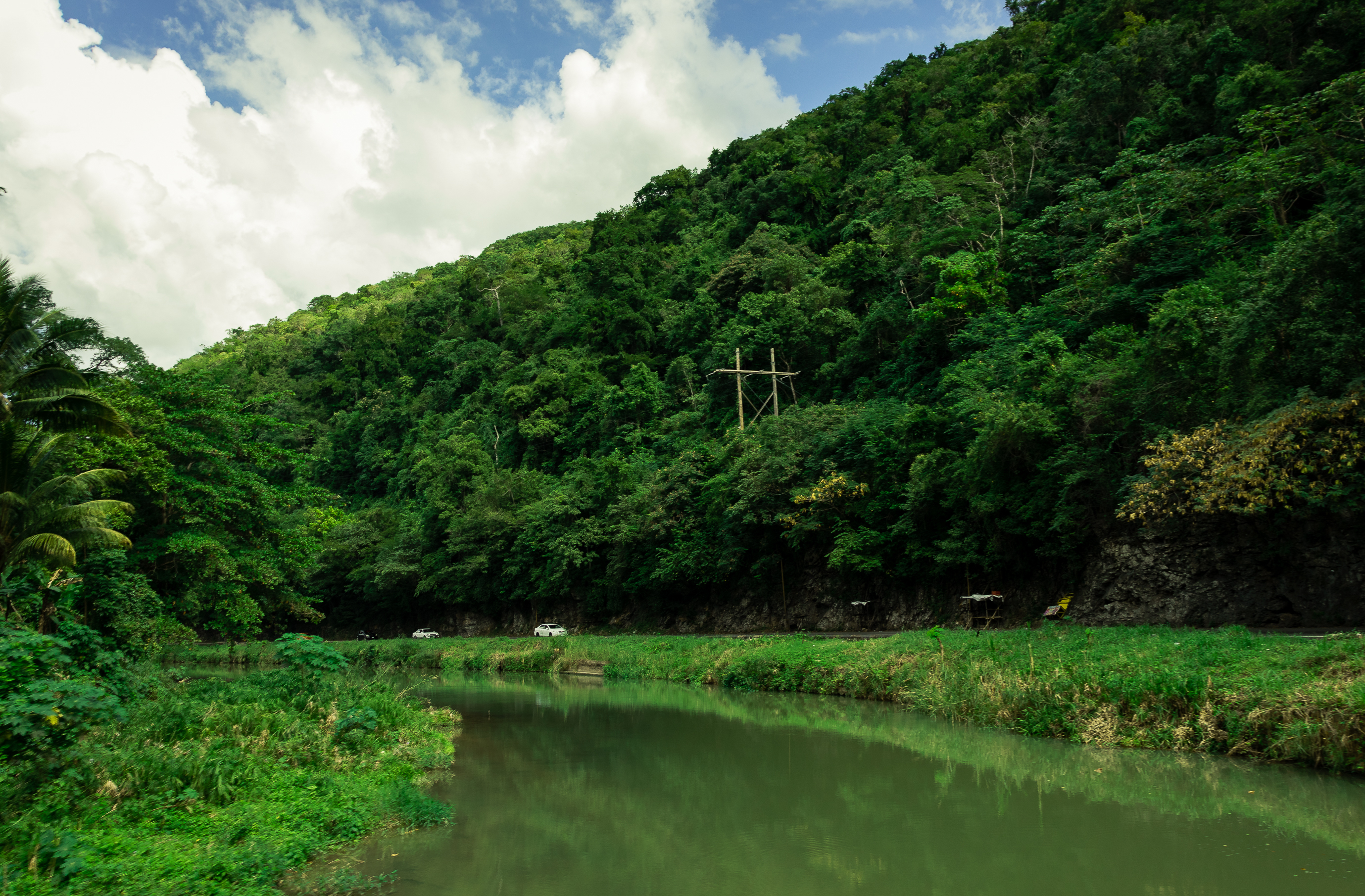
Aerial view of the new Coastal Highway that cuts through the lush landscape.
“Under the Coastal Highway project, we upgraded 59 kilometres of road from gravel to double surface treatment or to paved standard,” says Gilharry. “We installed 157 new box culverts, we placed three new floodways along the existing bridges that were kept. We constructed six new bridges. We placed 18 new bus stops for road safety, along with the line markings, guardrails and signages.”
New road “a blessing”
“It’s a beautiful highway,” says Hon. Dolores Balderamos-García, Senior Minister of State, Office of the Prime Minister of Belize, and Representative for Belize Rural Central, her finger tracing the map of the area that forms part of her constituency. “[We are] very proud to have the Caribbean Development Bank and other partners and donors involved with it.”
“We are very happy with the upgrade of the coastal road,” says Samuels-Andrewin, the school principal. “The school buses are here every day, rain or shine.
“My attendance grew, improved, because the students are here, the teachers are here every day.
“And for the community, they’re getting more business, more developments are taking place in the community or along the coastal road that will benefit them in the future.”
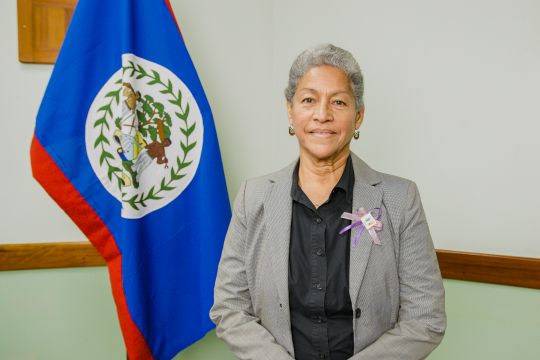
“It’s a beautiful highway,” says Hon. Dolores Balderamos-García, Senior Minister of State and Representative for Belize Rural Central.
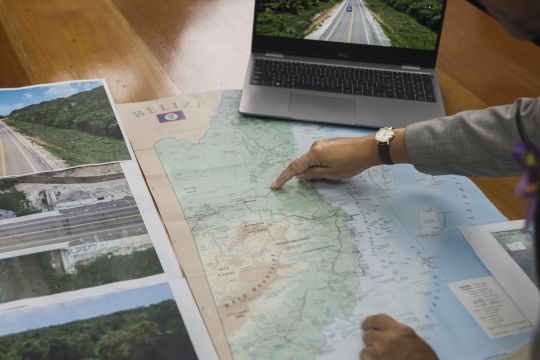
Minister Balderamos-García points to a map of Belize, her finger tracing how the new Coastal Highway significantly reduces travel times.
“It’s easier to get our products from the farm to the towns and villages. The coastal road is a blessing to us.”
Nadine Moore, the village Chairwoman, agrees the new highway is good for the community, with a notable increase in visitors and traffic, bringing economic benefits for tour operators, small businesses and local producers. “It is much easier for farmers and fishers to transport their goods,” she says.
Emmeth Young, an organic farmer who grows passion fruit, dragon fruit, soursop, papaya, watermelon, breadfruit, cassava, sweet peppers and plantains about 10 minutes’ drive from Gales Point, calls the new highway “a dream come true.” With the new road, Young’s sales have tripled. He can now take his produce to market twice a week instead of once a month.
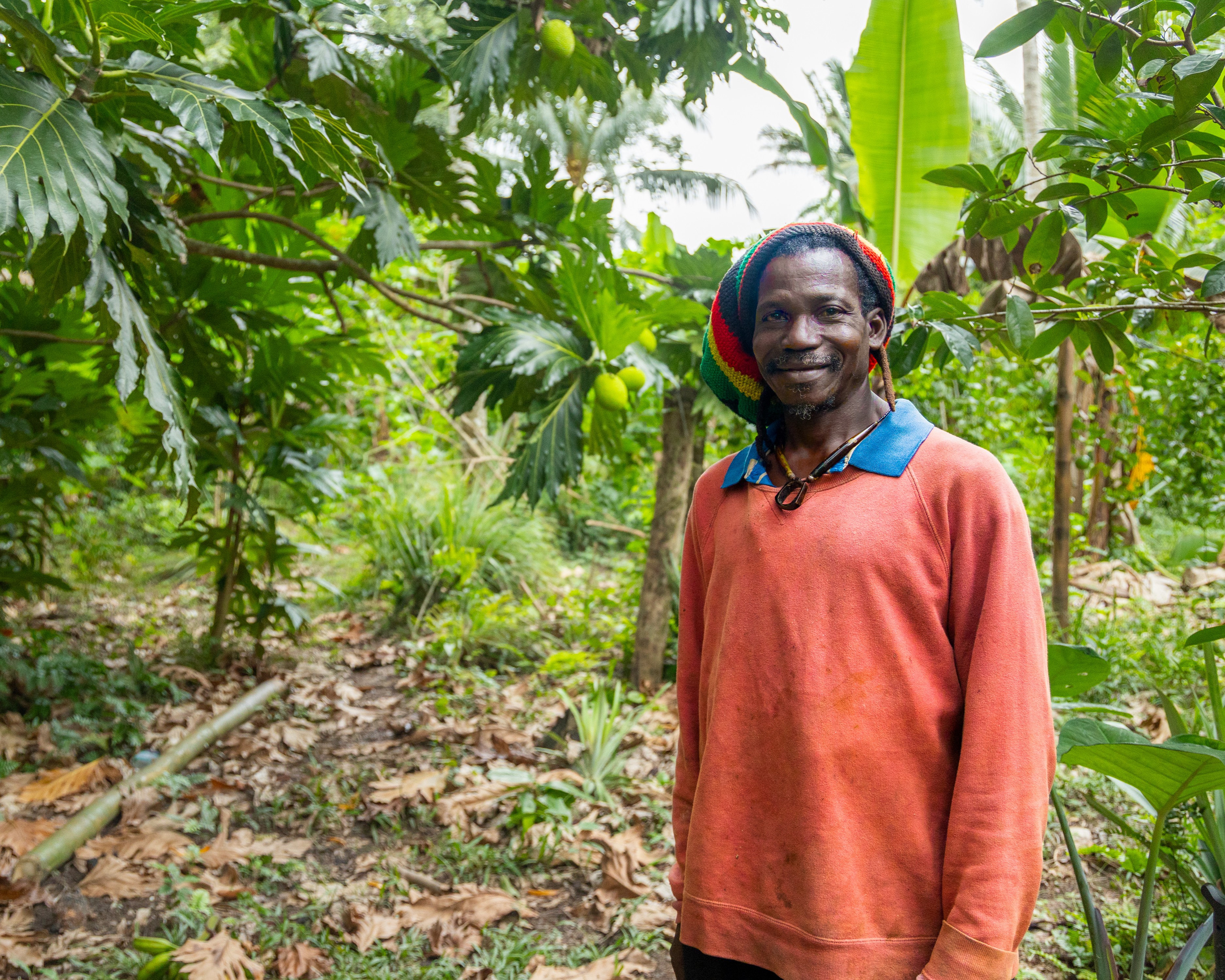
For organic farmer Emmeth Young the upgraded Coastal Highway is “a dream come true.” Young’s sales have tripled thanks to the new road.
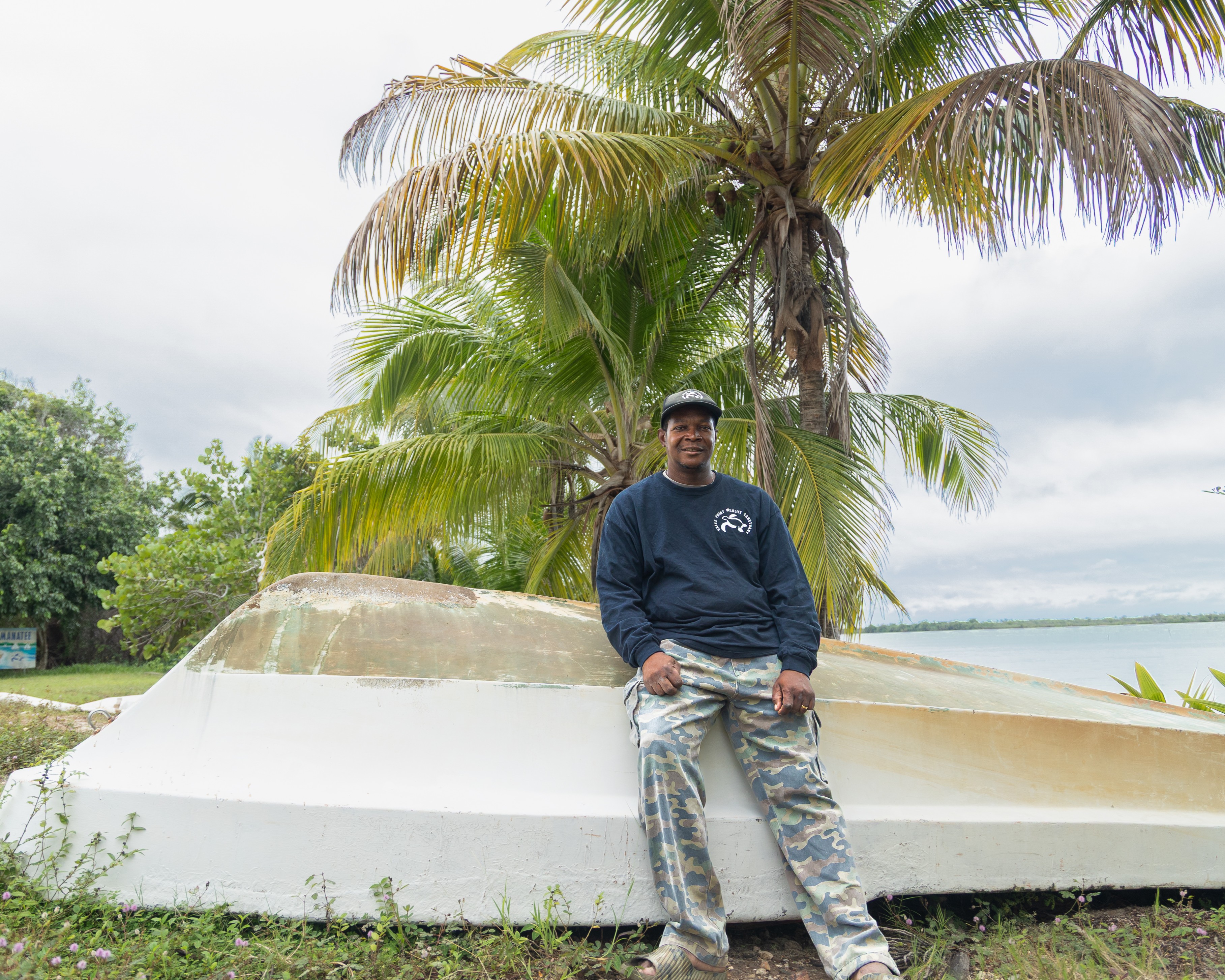
Kevin Andrewin says his turtle and manatee tours have taken off since the highway upgrade. “It made tourism easier.”
With more visitors coming to the village, fishers, farmers, shopkeepers and tour operators have seen improved business, says Young. “It’s easier to get our products from the farm to the towns and villages. The coastal road is a blessing to us.”
Kevin Andrewin says his ecological tours of the lagoon to visit the manatees and sea turtles have also taken off since the new road’s completion. Where he once saw a rare customer, he now relies on a second boat captain to support the increased demand.
“By paving the coastal road and upgrading, it was like a life change,” he says. “It made tourism easier. For tourists to get here, they used to have to only come by boat, so it is like a life saver.”
Putting Gales Point on the map
Soon tourists will have more reasons to visit Gales Point. A new marine rescue centre for manatees and sea turtles is underway behind the primary school. “It’s going to be rescuing injured and orphaned sea turtles and manatees,” says Galves.
The upgrade of the Coastal Highway was the catalyst that kicked off plans to build the new rescue and education centre, he says.
“The [marine rescue] centre has been a plan of ours for a very long time. When we saw that the road was developing, we started working on the details.”
The village is expected to benefit from the new centre and the recognition of Gales Point Manatee as a destination for conservation, research and sustainable tourism.
“The road could not have come at a better time,” says Galves, “especially with the impacts of climate change upon us. We’re living it every day.
“Climate resilient infrastructure such as roads that allows accessibility to basic things – basic human needs like education, healthcare, food, water – is a significant improvement to everybody’s life. And I know that the community and the people here are grateful for it.”
Photo Gallery
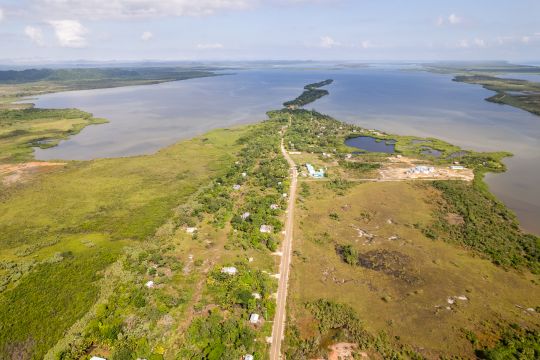
Aerial view of the entrance to Gales Point Manatee.
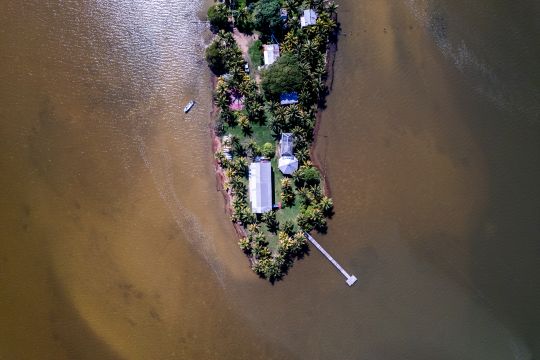
A bird's eye view of the tip of Gales Point.
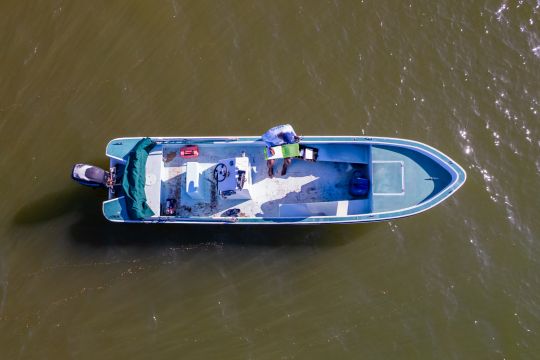
Conservationist Jamal Galves conducting research on the West Indian manatee.
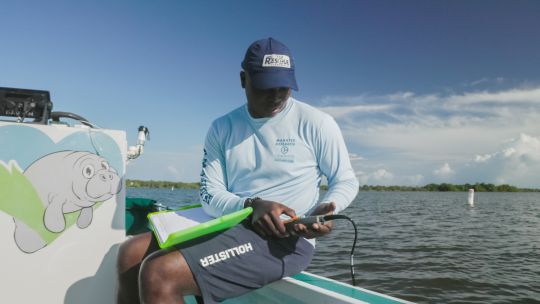
Jamal Galves takes a reading while checking on the manatees.
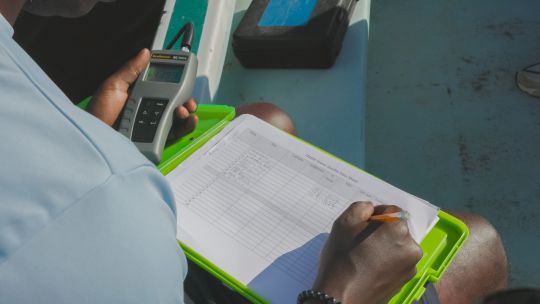
Jamal Galves recording his findings on the West Indian manatee.
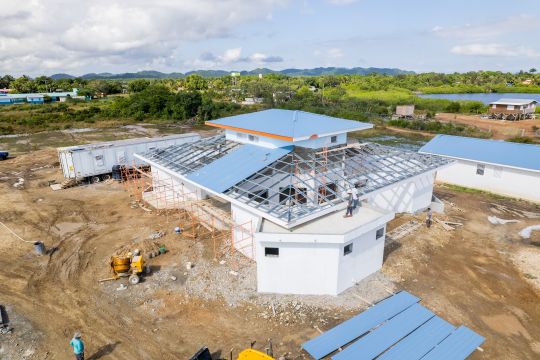
A new marine rescue centre for manatees and sea turtles was commissioned once the Coastal Highway upgrade was completed.
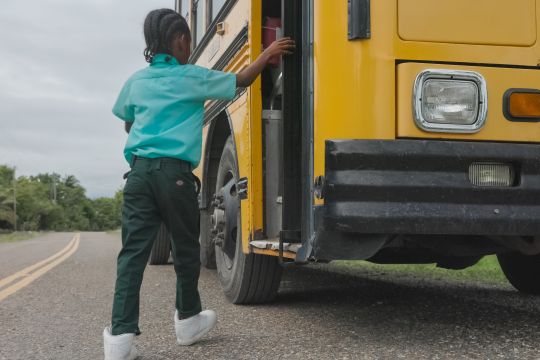
A child boards the school bus in Gales Point Manatee.
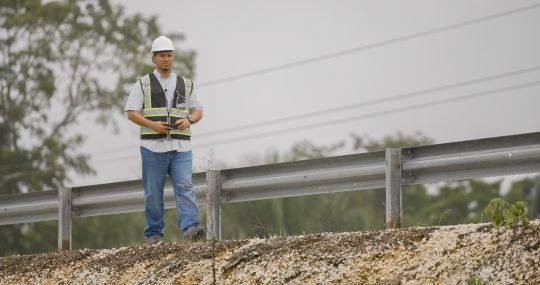
Project engineer Michelan Gilharry examines a new elevated bridge structure along the highway.
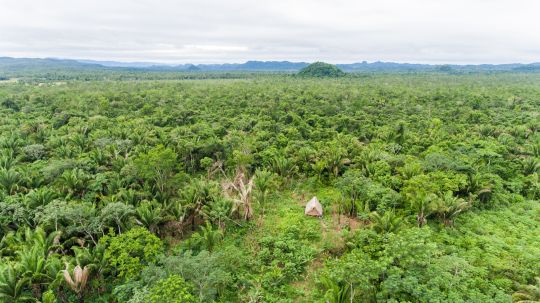
An aerial view of Emmeth Young’s organic farm.
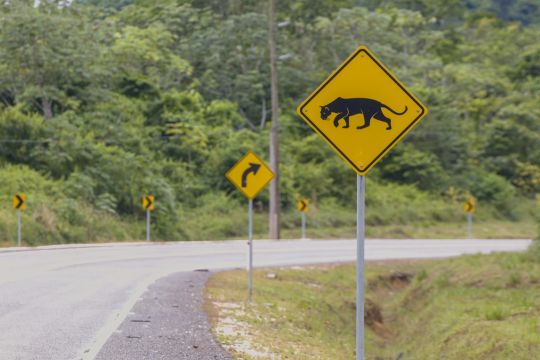
A jaguar road sign along the Coastal Highway signals the area’s rich wildlife.
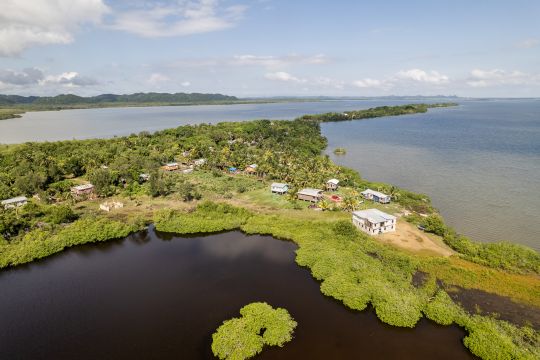
Aerial view of Gales Point Manatee, a maroon Creole village in Belize.
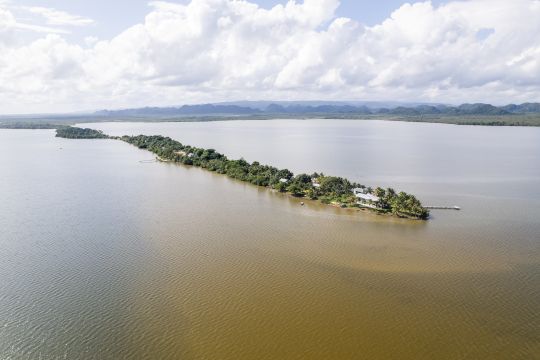
The village of Gales Point Manatee and the surrounding lagoon.
PARTNER