CDB Reports Strong Surge in Development Financing Approvals Across the Region
BRIDGETOWN, Barbados: The Caribbean Development Bank (CDB / the Bank) has reported a significant increase in project financing and disbursements for 2025, approving US$464 million in new support. The milestone marks a 50% increase in financing over 2024. The Bank disbursed US$429 million, reflecting a 30% rise compared to the previous year.
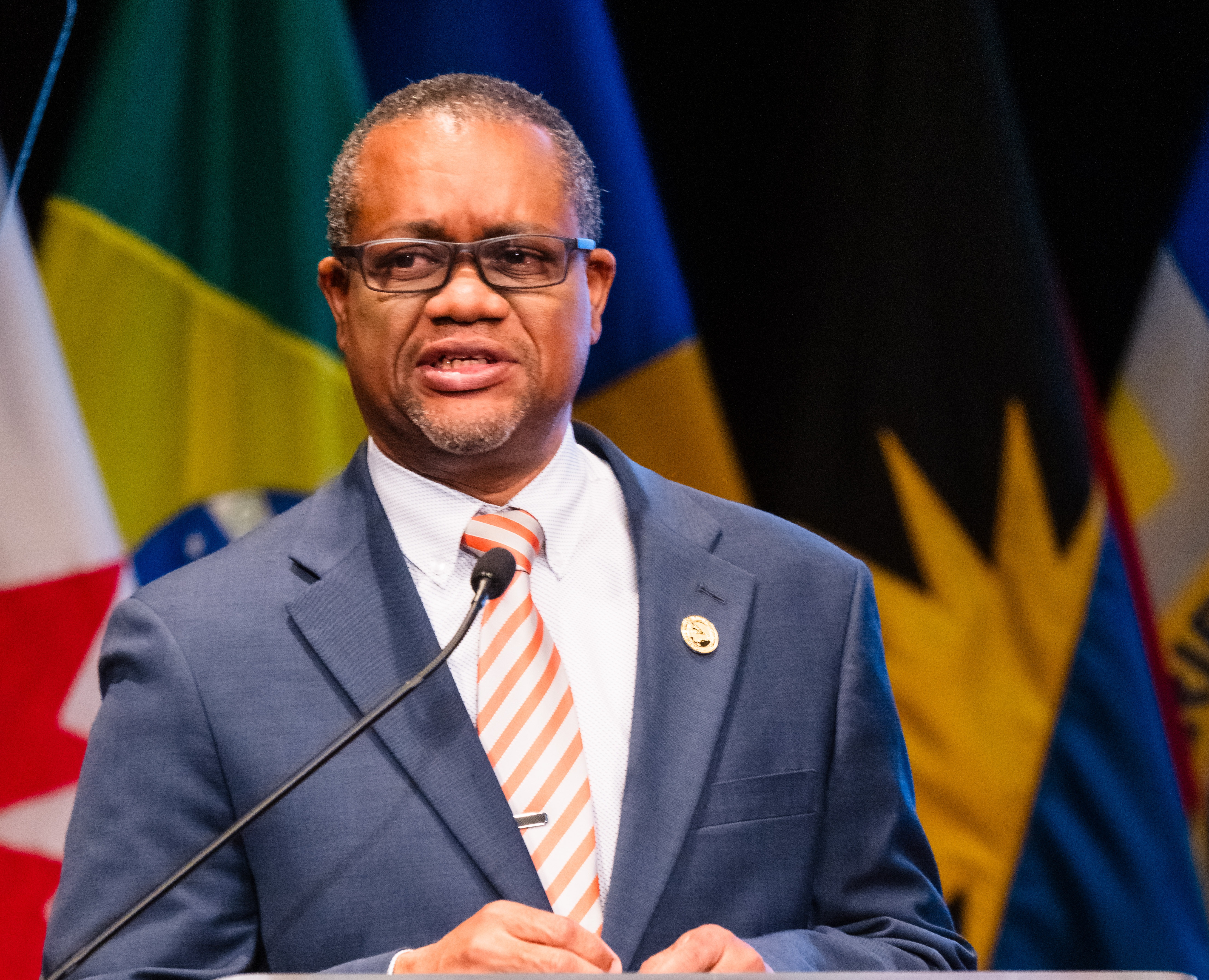
Presenting highlights at CDB’s Annual News Conference on March 3, 2026, Mr. L. O’Reilly Lewis, Director of Projects, outlined the Bank’s expanded development footprint across its Borrowing Member Countries (BMCs) over the past year.
“Across the Caribbean, CDB continues to support the transformation of our region. From energy security to climate-ready infrastructure, from water systems to world-class airports, these new investments represent commitments to stronger economies, empowered people, and a Caribbean that is ready to compete on a global stage,” Lewis said.
CDB’s investment portfolio advanced major national and regional priorities, including US$27 million for Belize’s Eighth Power Project to modernise the electricity grid for about 114,000 households and businesses. In The Bahamas, the Bank approved US$30 million for Water Supply Improvements in the Family Islands, benefiting roughly 5,000 residents, and US$6 million to create a Polytechnic and Accreditation Training Hub for more than 800 youth and graduates. Elsewhere in the region, the Bank provided US$46 million to upgrade Saint Vincent and the Grenadines’ Canouan Airport to strengthen climate resilience and connectivity; US$8.7 million for Grenada’s Battery Energy Storage System to enhance grid stability for over 90% of the population; and US$47 million for Barbados’ Grantley Adams International Airport Expansion, which will double passenger throughput and improve operations.
Despite ongoing challenges, CDB continued to deliver targeted investments supporting Haiti’s development. The Quality Enhancement Education Project improved learning outcomes for more than 17,000 primary and secondary students, half of them girls. In agriculture, a climate‑resilient initiative trained 250 farmers—48% women—and introduced a 23.5‑hectare irrigation scheme to boost productivity and protect livelihoods. Meanwhile, sustainable energy investments are expanding access to reliable electricity, with a new solar installation set to provide renewable power to over 2,000 rural customers.
The Basic Needs Trust Fund (BNTF), CDB’s flagship community development programme, delivered 92 subprojects across nine countries under its tenth cycle, strengthening essential services and resilience. Notably, it supported the first Special Education Needs School in Region 2, Essequibo, Guyana. Building on these achievements, CDB approved a US$53.6 million BNTF Eleventh Cycle to be implemented over four years in ten countries.
CDB also advanced private sector initiatives focused on expanding opportunities for youth and women. Through the DigiLab Finance Programme, delivered with the International Finance Corporation (IFC) and the Caribbean Association of Banks, the Bank improved data analytics and financial service delivery for more than three million people across ten institutions. Support for the cultural sector continued through the Cultural and Creative Industries Innovation Fund, which assisted 200 creatives in 14 countries and provided grants to 12 micro, small and medium sized enterprises (MSMEs). Women entrepreneurs benefitted from SheTrades Caribbean, which equipped 1,300 women‑owned firms with training and market access.
The Bank brought together regional partners across education, gender equality, risk management and sustainable infrastructure. The Second Transforming Education Symposium and Policy Dialogue resulted in the formation of the Caribbean Coalition of National Parent‑Teacher Associations, strengthening parental engagement across regional education systems.
As the Caribbean continues to confront climate, economic and social vulnerabilities, the Bank’s strategic focus remains on its core sectors — transport, water and sanitation, education, and sustainable energy — alongside a deeper focus on resilience and technology-driven service delivery.
“Our work in diagnosing implementation capacity challenges will be critical, ensuring that BMCs not only design transformative projects but also implement them effectively. Together, with our partners and the communities we serve, we will continue to deliver results that strengthen resilience and create lasting opportunities for our Caribbean people,” Lewis said.
###
Photo caption: Mr. L. O'Reilly Lewis, Director of Projects, Caribbean Development Bank (CDB), presents highlights at the 2026 CDB Annual News Conference.